Best Non-Invasive Options for Plantar Fasciitis Relief: Effective Treatments for Heel Pain
By Daniel Fitzpatrick, Sydney Foot Solutions
Plantar fasciitis is a common condition that causes significant heel pain, often hindering daily activities and quality of life. Individuals suffering from this ailment frequently seek effective, non-invasive treatments to alleviate discomfort and promote recovery. This article will explore various non-invasive options for plantar fasciitis relief, offering valuable insights into home remedies, physical therapy techniques, and lifestyle modifications. Readers will discover a well-rounded approach to managing this condition, examining the underlying causes and how inflammation in the plantar fascia leads to heel pain. We’ll also discuss the role of expert assessments and personalized treatment plans, highlighting services offered by Sydney Foot Solutions.
Home Remedies
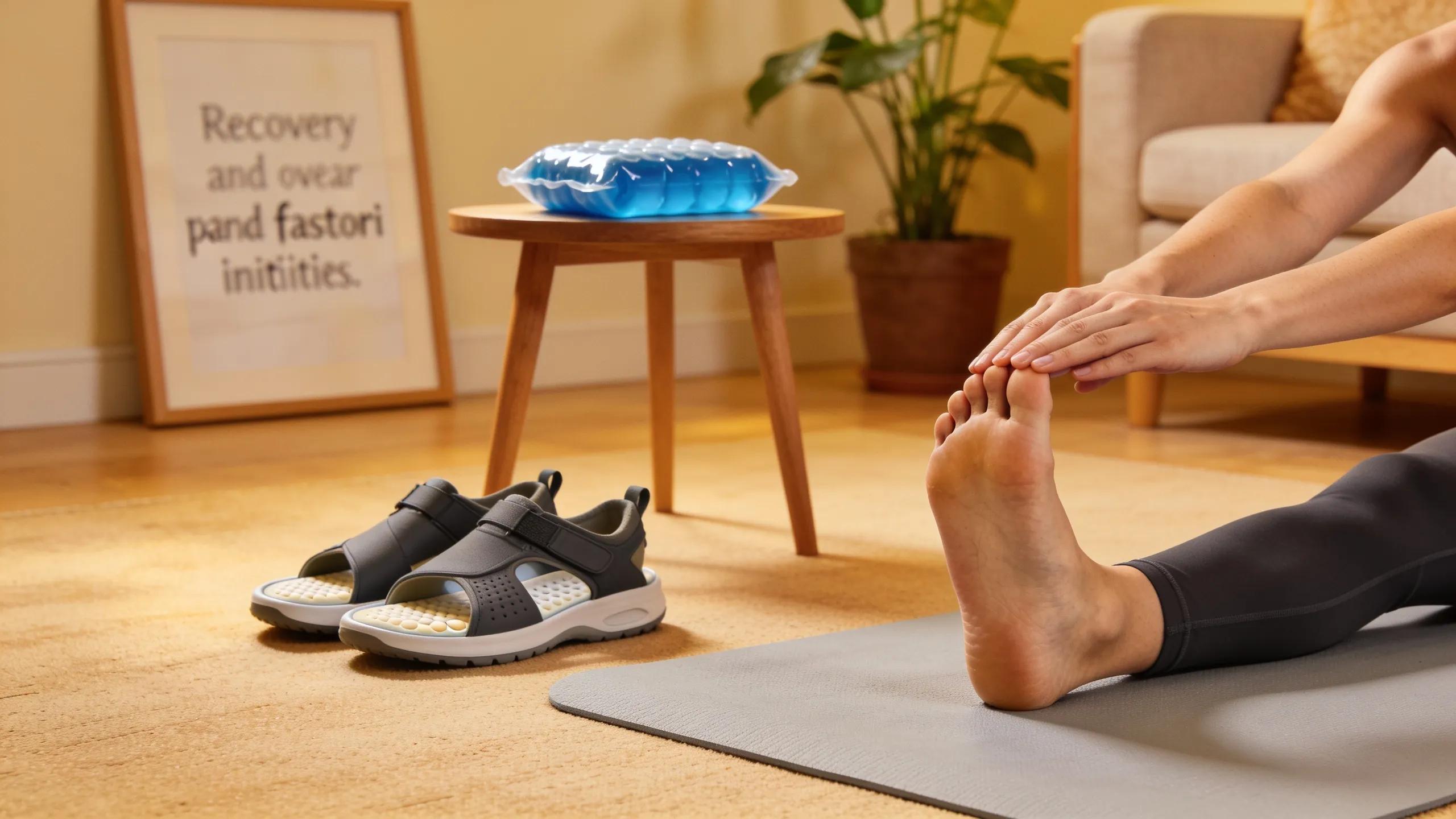
Home remedies can effectively relieve plantar fasciitis symptoms using accessible and convenient methods. Engaging in simple practices can often provide immediate comfort and support the healing process. Common home remedies include the following:
- Ice Application: Applying ice packs to the painful area reduces inflammation and numbs the discomfort. This practice is beneficial for alleviating acute flare-ups, especially after prolonged activity.
- Stretching Exercises: Gentle stretching of the calf muscles and plantar fascia can enhance flexibility and relieve tension. Techniques may include wall stretches and towel stretches, focusing on gradual adjustments.
- Foam Rolling: Using a foam roller on the sole of the foot and calf can help loosen tight muscles and restore blood flow, contributing to pain relief and recovery.
These home solutions can be a solid foundation for anyone looking to manage their plantar fasciitis symptoms before seeking further medical interventions.
Physical Therapy Techniques

Physical therapy is an effective approach to treating plantar fasciitis non-invasively. Several techniques can alleviate pain and promote healing. These include:
- Stretching and Strengthening: A physical therapist often guides patients through specific exercises to increase flexibility in the foot and strengthen surrounding muscles, optimizing overall foot mechanics.
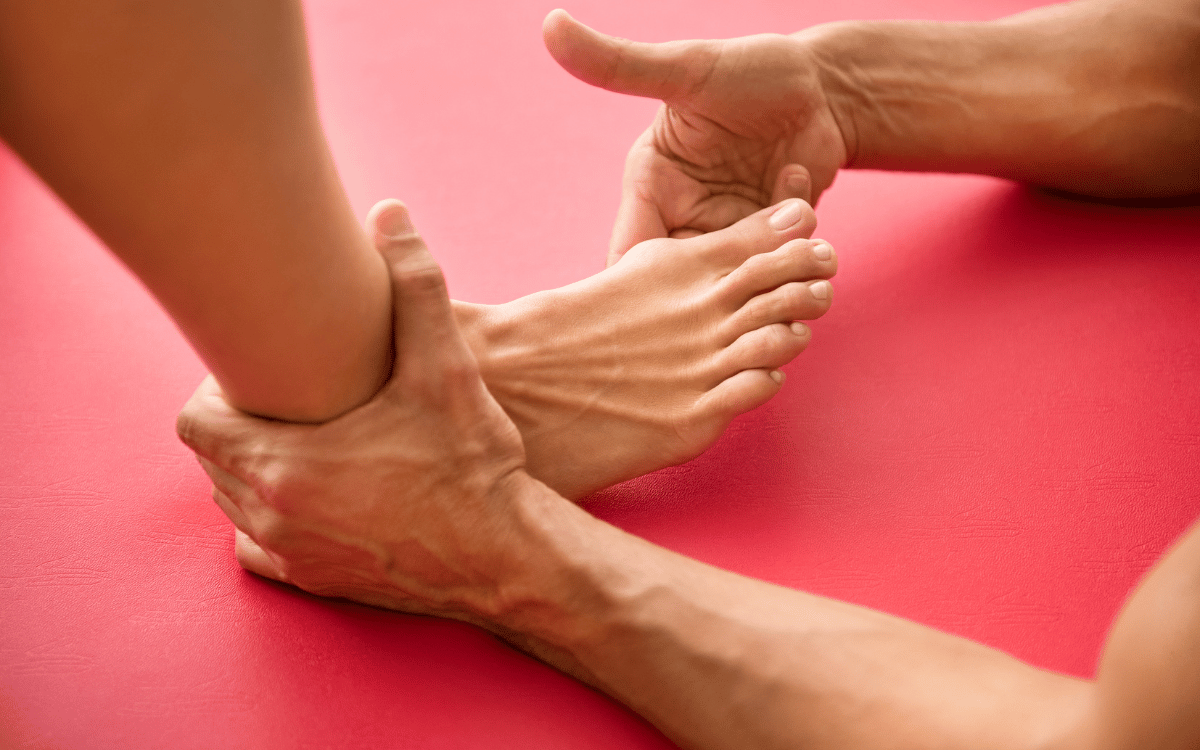
- Manual Therapy: Techniques such as foot mobilization therapy may be used to improve joint mobility and decrease pain. The therapist can apply manual techniques to target trigger points and relieve tightness in the fascia.
- Modality Treatments: Treatments like ultrasound therapy and laser therapy can aid healing by reducing inflammation and promoting blood flow to the affected area.
By combining these techniques, patients may experience significant pain relief and improved mobility, paving the way for a more active lifestyle. At Sydney Foot Solutions, expert foot assessments guide personalized treatment plans that include these physical therapy techniques.
How does expert foot assessment at Sydney Foot Solutions improve treatment outcomes?
Expert foot assessments play a crucial role in tailoring effective treatment plans for plantar fasciitis. These assessments involve a comprehensive evaluation of the foot structure, gait analysis, and a discussion of the patient’s medical history. This detailed approach enables practitioners to identify specific issues contributing to the patient’s pain. By conducting this thorough assessment, practitioners can better understand individual needs and customize treatment strategies, ultimately enhancing recovery outcomes and ensuring long-term relief.
Lifestyle Modifications
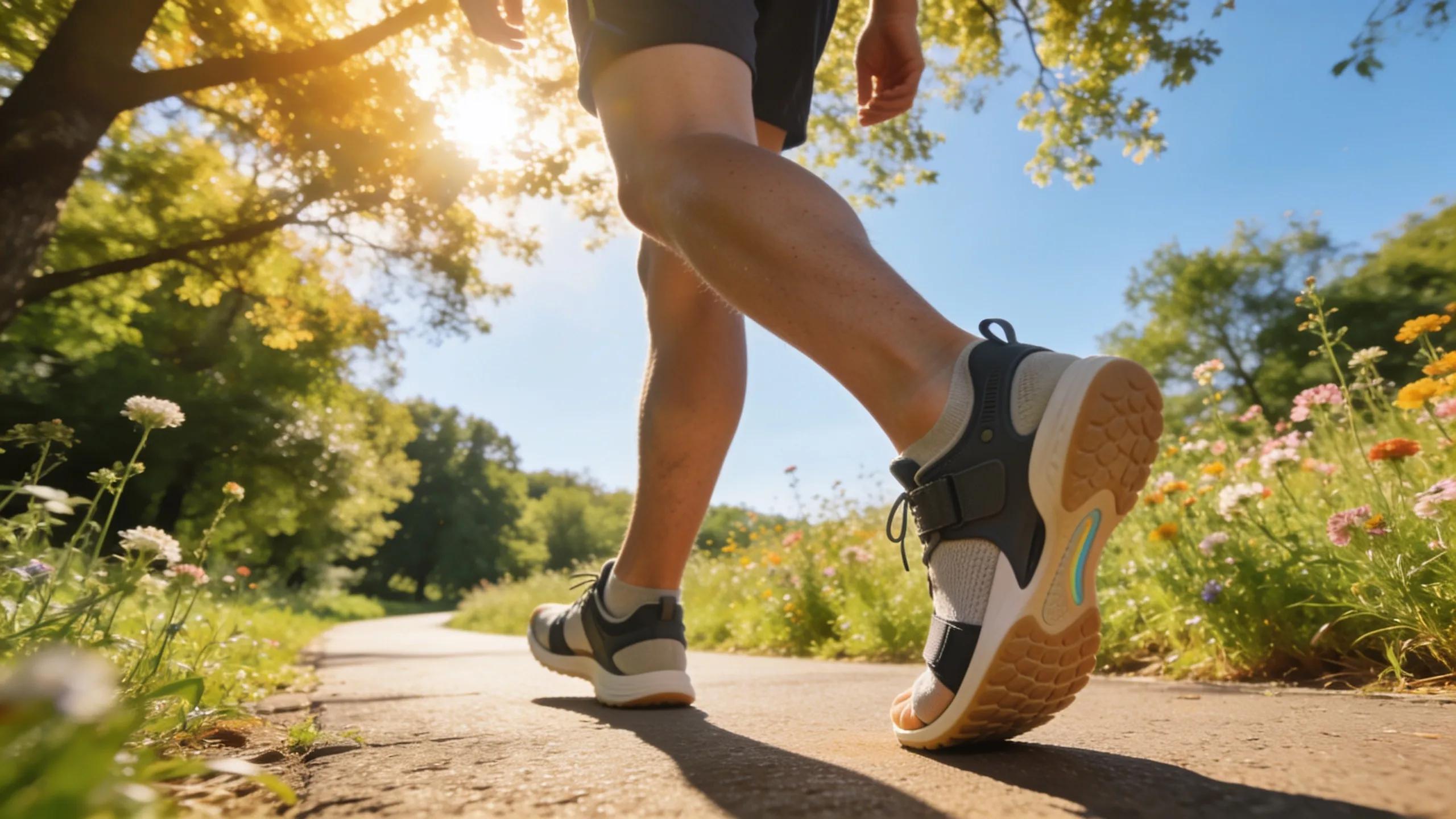
Lifestyle changes can significantly impact the management of plantar fasciitis. Implementing certain adjustments can help reduce strain on the affected area and accelerate recovery. Key lifestyle modifications include the following:
- Footwear Choices: Wearing supportive shoes designed for plantar fasciitis is vital. Look for footwear with arch support, cushioning, and a rigid sole to minimize pressure on the plantar fascia.
- Weight Management: Maintaining a healthy weight reduces stress on the feet, lessening the likelihood of pain flare-ups. Balanced nutrition and regular exercise can facilitate weight management.
- Activity Modification: Engaging in low-impact activities such as swimming or cycling can maintain fitness without aggravating heel pain. Gradually integrating more strenuous activities as symptoms subside is advisable.
Making these adjustments can enhance the effectiveness of other treatments and aid recovery, allowing individuals to resume their regular activities with minimized pain.
What causes plantar fasciitis and how does it affect heel pain?
Plantar fasciitis is primarily caused by repetitive stress and strain on the plantar fascia, a thick band of tissue that runs across the bottom of the foot. This condition often develops due to factors such as excessive running, prolonged standing, and poor foot mechanics. Over time, inflammation occurs, leading to discomfort and sharp pain, especially with the first steps in the morning or after sitting for long periods.
This discomfort typically arises from microtears in the fascia that can worsen if left untreated. In the next section, we’ll examine how inflammation in the plantar fascia specifically leads to the characteristic heel pain associated with this condition.
How plantar fascia inflammation leads to heel pain
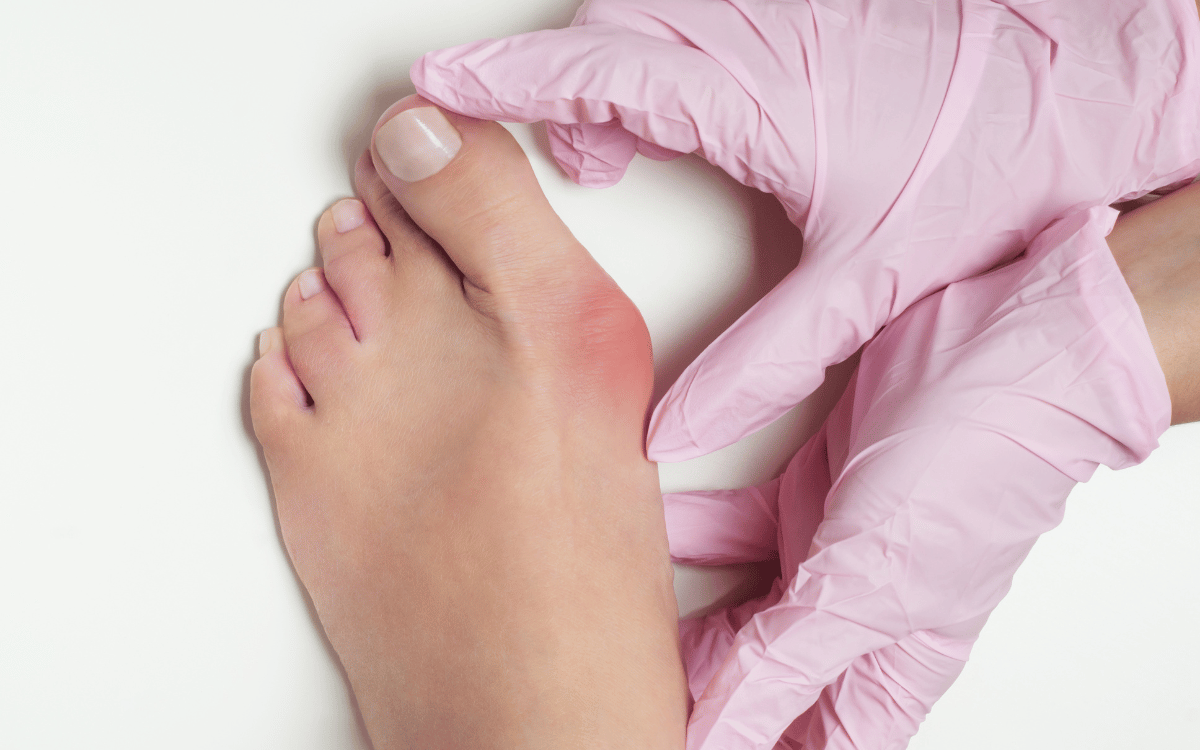
The inflammation of the plantar fascia results from a combination of mechanical overload and tissue degeneration. When excessive strain is placed on the fascia, it becomes inflamed, leading to swelling and pain. This inflammation disrupts normal function, causing tenderness and stiffness in the heel region.
As the pain intensifies, patients may alter their gait to compensate, further aggravating the situation and potentially resulting in additional foot, knee, or hip pain. Understanding this relationship between inflammation and pain is crucial for effective management strategies tailored to address underlying issues.
Interestingly, some experts in the field have shifted the terminology, preferring “plantar fasciopathy” to emphasize the degenerative, rather than inflammatory, nature of the condition.
Plantar Fasciitis: Understanding Heel Pain and Diagnosis Plantar fasciitis is the most common cause of inferior heel pain1. Typical symptoms include pain with the first weight-bearing step in the morning, and the diagnosis can be made clinically. Some clinicians prefer to use the term plantar fasciopathy in lieu of plantar fasciitis to de-emphasize the inflammatory component because pathological examination of the fascia typically reveals degeneration over inflammation2. Comparative efficacy of corticosteroid injection and non-invasive treatments for plantar fasciitis: a systematic review and meta-analysis, CM Chen, 2018
Which non-surgical treatments provide effective plantar fasciitis relief?
Several non-surgical treatment methods can effectively relieve plantar fasciitis discomfort. Options range from conservative care to more specialized interventions. The following treatments are frequently recommended:
- Orthotic Devices: Custom or over-the-counter orthotic inserts can provide necessary arch support, relieve pressure, and correct biomechanical issues that contribute to plantar fasciitis.
- Night Splints: Wearing a night splint keeps the foot in a dorsiflexed position while sleeping, gently stretching the plantar fascia and calf muscles, which can reduce morning pain.
- Physical Therapy: Engaging in a structured physical therapy program can yield meaningful long-term relief by addressing muscle imbalances and improving foot function.
These non-surgical treatments are essential in managing plantar fasciitis, allowing patients to regain mobility and reduce pain without invasive procedures.
How orthotics support foot biomechanics to reduce pain
Orthotic devices are custom-designed to correct biomechanical imbalances in the feet that contribute to plantar fasciitis. By stabilizing the foot’s arch, orthotics redistribute pressure across the sole, reducing the strain on the plantar fascia. This adjustment not only alleviates pain during physical activities but also helps prevent future occurrences.
Individuals often find that personalized orthotics enhance comfort and support their specific foot anatomy and gait mechanics. The use of orthotics represents a significant component of a comprehensive treatment plan at Sydney Foot Solutions, providing patients with practical solutions to manage their condition effectively.
What physical therapy exercises improve plantar fascia healing?
Incorporating specific physical therapy exercises can significantly enhance healing and strengthen the plantar fascia. Recommended exercises include:
- Towel Stretch: Sitting with legs extended, using a towel to pull the toes towards the body while keeping the knee straight stretches the calf and fascia.
- Calf Raises: Performing standing calf raises strengthens the calf muscles, supporting the fascia and reducing the risk of injury.
- Toe Taps: Tapping the toes while seated encourages circulation and engages the small muscles in the foot, contributing to recovery.
An effective physical therapy routine, often guided by a qualified professional, combines these exercises to create a tailored approach that addresses individual needs and improves outcomes.
Studies consistently highlight the effectiveness of therapeutic exercises in improving both pain and functionality for those suffering from plantar fasciitis.
Therapeutic Exercise as a Conservative Treatment for Plantar Fasciitis Purpose.Plantar fasciitis (PF) is a degeneration of the plantar fascia. There are different forms of treatment for PF. Conservative treatment stands out as the main method of choice. The aim was to review in the literature the effectiveness of therapeutic exercise (TE) on pain and functionality in PF. Therapeutic exercise in plantar fasciitis: a systematic review with meta-analysis, RA Stachelski, 2024
What complementary non-invasive support devices aid plantar fasciitis recovery?
Complementary devices can support plantar fasciitis recovery by providing additional comfort and functionality. Commonly recommended support tools include:
- Heel Cups: These inserts can cushion the heel and provide additional shock absorption to alleviate pain during movement.
- Arch Supports: Arch support devices can be added to existing footwear, enhancing the overall stability and support of the foot.
- Massagers and Rollers: Utilizing handheld tools specifically designed for foot and calf massage can help release tension and promote circulation.
These supportive devices are useful adjuncts to primary treatment methods, allowing individuals to manage their symptoms effectively. For specific recommendations on effective support devices, consulting with a professional is advised.
How night splints and heel cups reduce strain on the plantar fascia
Night splints are essential devices that assist in reducing strain on the plantar fascia during sleep. By maintaining a stretched position, splints prevent the fascia from tightening overnight, fostering gradual healing.
Similarly, heel cups offer crucial cushioning and support, allowing for better shock absorption during day-to-day activities. Together, these devices can improve mobility while minimizing discomfort, illustrating how simple interventions can lead to substantial benefits for individuals suffering from plantar fasciitis.
Which footwear recommendations best support heel pain management
Selecting the right footwear is vital for managing heel pain associated with plantar fasciitis. Key recommendations include:
- Arch Support: Shoes with built-in arch support can help distribute pressure and alleviate strain.
- Cushioning: Look for shoes with sufficient cushioning to absorb shock and reduce impact on the heels during walking or standing.
- Stability Features: Shoes designed with stability features promote better foot alignment, further aiding in preventing discomfort.
Choosing proper footwear can be a turning point for individuals battling plantar fasciitis, working in conjunction with other treatment methods to promote healing and comfort.