Bunion Treatment Options in Sydney: Comparing Surgery and Non-Surgical Solutions for Foot Pain Relief
By Daniel Fitzpatrick, Sydney Foot Solutions
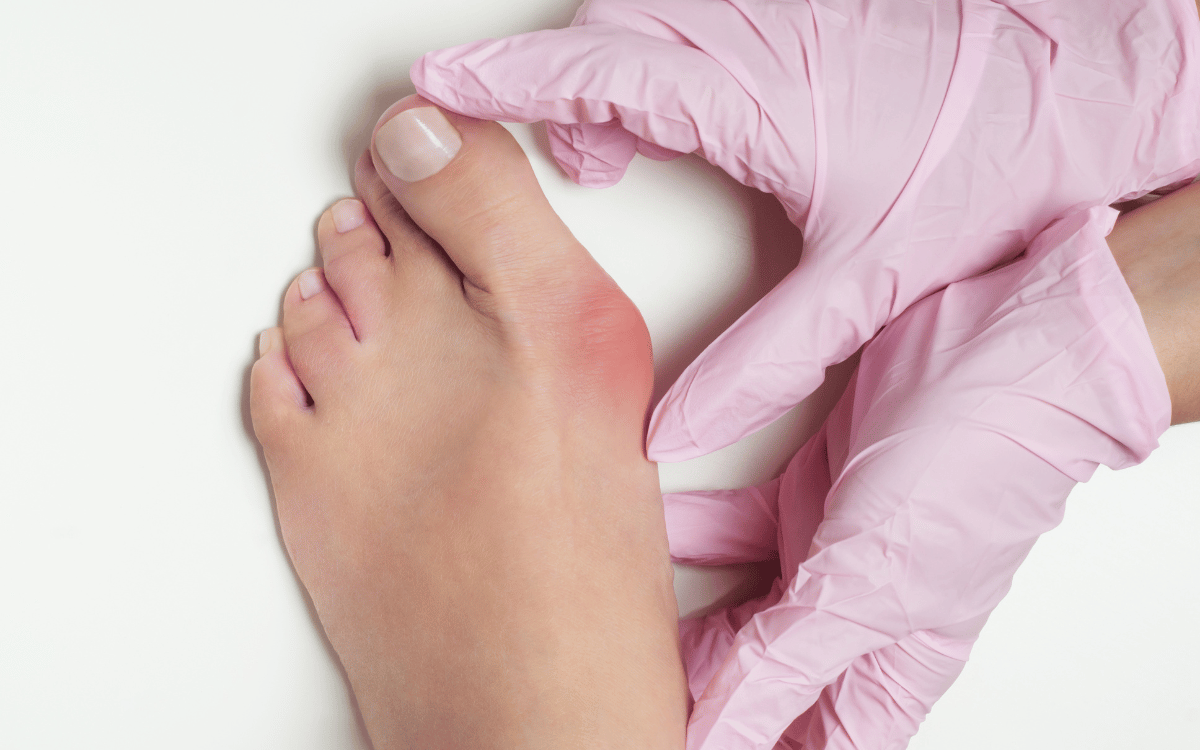
Bunions, or hallux valgus, are common foot deformities that can lead to significant discomfort and mobility issues. Understanding the various treatment options for bunions is crucial for anyone suffering from foot pain. This article will explore both surgical and non-surgical solutions available in Sydney, providing insights into their efficacy, what to expect during treatment, and when to seek expert advice. We will cover key types of bunion surgery, non-surgical approaches like Foot Mobilisation Therapy, cold laser therapy, and active exercise rehabilitation, and the importance of expert foot assessments. By delving into these options, readers can make informed decisions about managing their bunion-related symptoms.
What Are the Main Types of Bunion Surgery Options in Sydney?
Bunion surgery is often considered when non-surgical treatments fail to provide relief. Various surgical procedures aim to correct the foot’s alignment and alleviate pain. These techniques generally focus on realigning the bones of the foot to reduce the deformity of the bunion. Among the surgical options available in Sydney, patients commonly encounter osteotomies, which involve cutting and repositioning bones to restore normal alignment. This is a highly effective method that can significantly improve foot function.
Which Surgical Techniques Are Commonly Used for Bunions?
Common surgical techniques for bunions include:
- Osteotomy: This technique involves cutting the bone and realigning it. It is favored for more severe bunion cases, offering substantial correction.
- Exostectomy: This approach focuses on removing the bony bump without correcting the underlying alignment issues, making it suitable for less severe deformities.
- Arthrodesis: In severe cases, this procedure fuses the bones of the big toe joint, providing stability at the cost of flexibility.
These methods vary in terms of recovery times and surgical complications. Generally, minimally invasive options are praised for reduced downtime while still effectively addressing the bunion deformity.
What Are the Typical Risks and Recovery Time After Bunion Surgery?
The risks associated with bunion surgery can include infection, nerve damage, and prolonged recovery times. Patients are typically advised to stay off their feet for about 6 to 8 weeks, during which time supportive measures like immobilization may be required. Swelling is common and can persist for 12 to 18 months post-surgery, reflecting the time needed for full healing and adjustment to the surgical changes.
What Non-Surgical Bunion Treatments Are Available in Sydney?
Before considering surgery, many patients opt for non-surgical treatments, which can delay or eliminate the need for invasive procedures. These options often focus on alleviating pain and correcting the foot’s alignment through conservative, non-invasive measures such as Foot Mobilisation Therapy, cold laser therapy, and active exercise rehabilitation.
How Do Foot Mobilisation Therapy, Cold Laser Therapy, and Active Exercise Rehab Help Without Surgery?
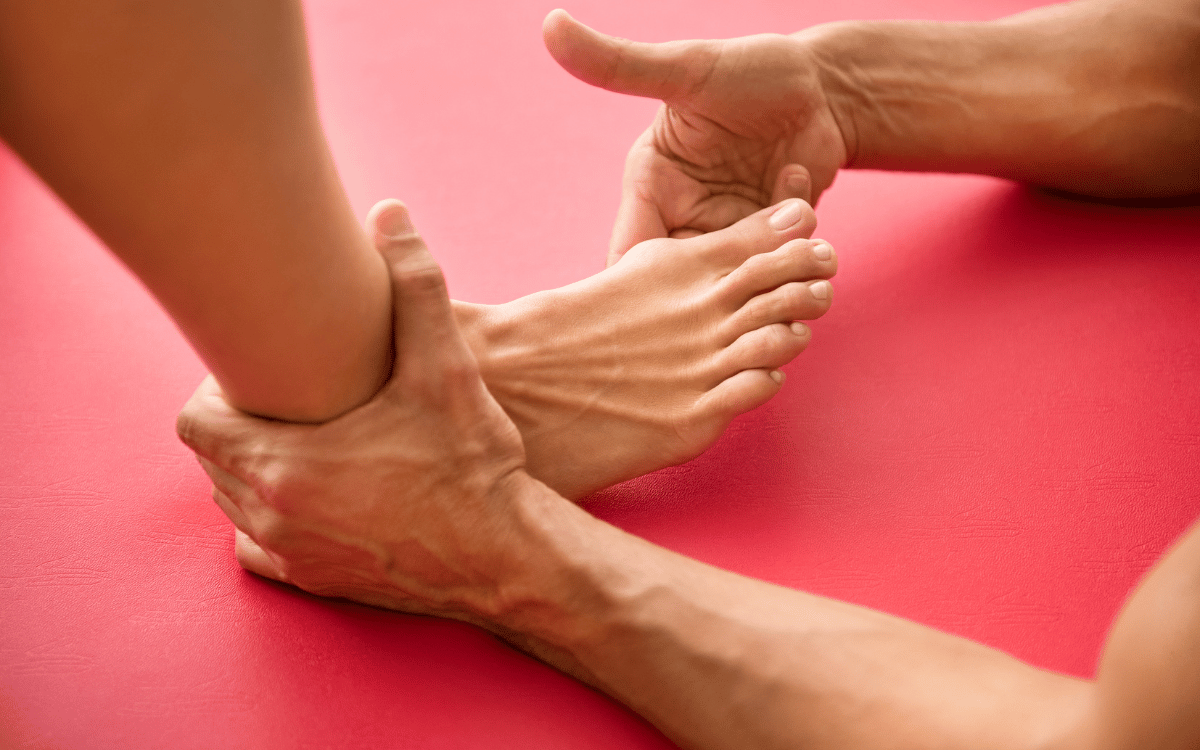
Foot Mobilisation Therapy can restore joint mobility and alignment by applying gentle and precise movements to the foot joints. Cold laser therapy assists in reducing inflammation and pain, promoting tissue healing in the affected area. Active exercise rehabilitation strengthens foot muscles and improves biomechanics, which can help alleviate bunion symptoms and prevent progression. These combined therapies aim to enhance foot function and reduce pain non-invasively.
What Conservative Therapies Improve Foot Pain and Delay Surgery?
Several conservative therapies exist that can effectively manage bunion pain:
- Foot Mobilisation Therapy: Applying manual techniques to improve joint mobility and alignment in the foot.
- Cold Laser Therapy: Using low-level laser light to reduce inflammation and promote healing.
- Active Exercise Rehabilitation: Targeted exercises to strengthen foot muscles, improve flexibility, and correct biomechanical imbalances.
These therapies are beneficial for many individuals, contributing to long-term pain management and mobility enhancement.
When Should You See an Expert for Bunions in Sydney?
It’s essential to consult a foot expert if bunion pain interferes with daily activities or persists despite conservative treatment. Early intervention can often prevent the need for surgical options later on and guide patients towards appropriate care strategies.
What Does an Expert Foot Assessment Involve?
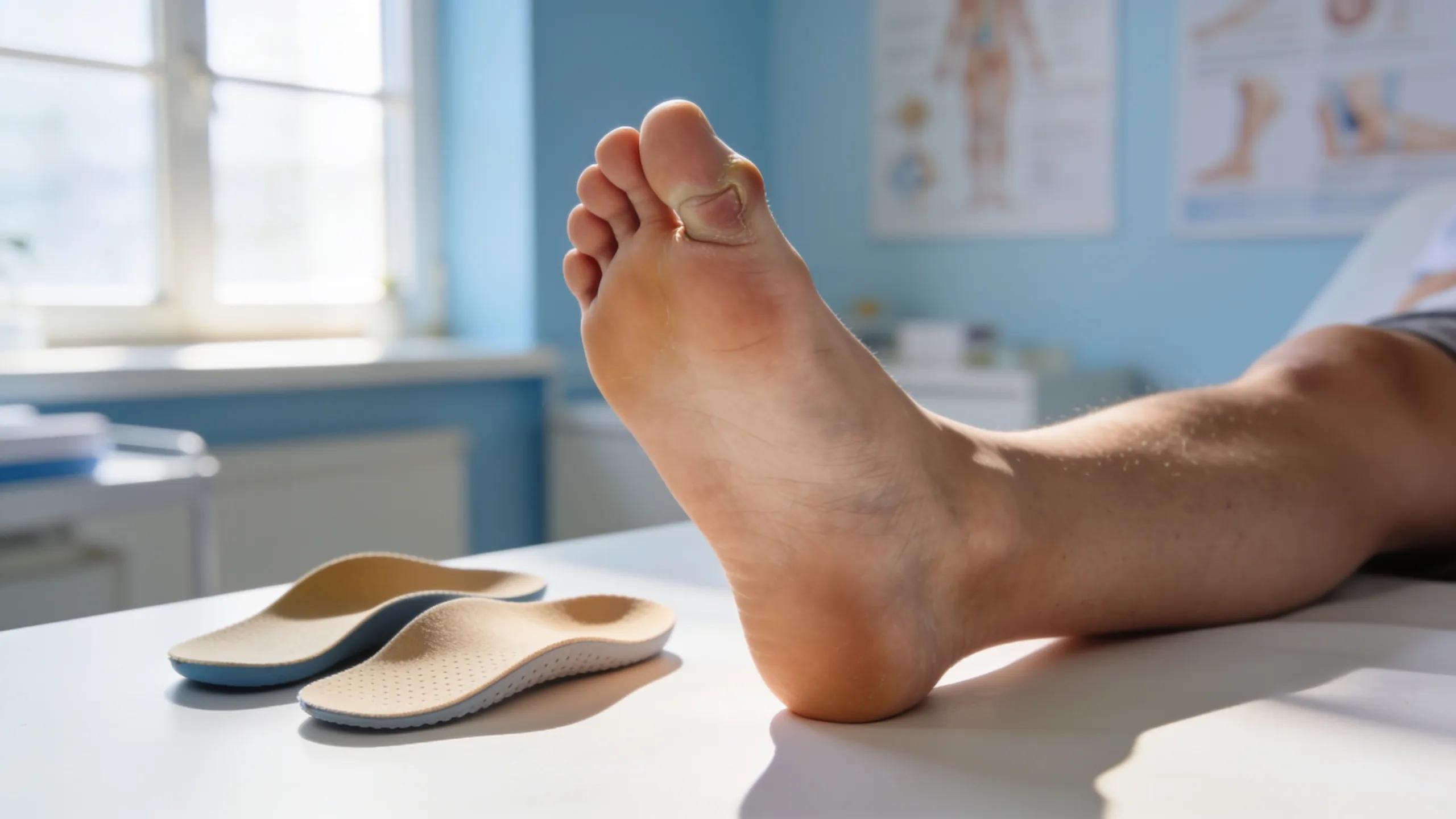
An expert foot assessment typically includes a thorough biomechanical evaluation to identify any misalignments or structural issues contributing to bunion development. The assessment may involve gait analysis and imaging studies, which help professionals determine the most effective treatment plan tailored to the individual’s specific conditions and needs.
How Does the Assessment Influence the Choice Between Surgical and Non-Surgical Treatments?
The results of a comprehensive assessment directly influence treatment decisions. Factors such as the severity of the bunion, associated symptoms, and the patient’s overall foot health guide experts in recommending either surgical or non-surgical solutions. Understanding these criteria ensures that patients receive personalized care based on their unique situations.
How Much Does Bunion Surgery Cost in Sydney Compared to Non-Surgical Treatments?
Understanding the financial aspect of bunion treatment is crucial for planning. Bunion surgery costs in Sydney typically range from $5,000 to $15,000 per foot, depending on the complexity of the procedure and the surgeon’s experience.
What Factors Affect Bunion Surgery Pricing in Sydney?
Several factors influence the cost of bunion surgery, including:
- Surgeon Experience: More experienced surgeons may charge higher fees due to their expertise.
- Facility Fees: Charges vary based on the hospital or surgical center where the procedure is performed.
- Post-operative Care: Costs associated with follow-up appointments and rehabilitation may also factor into the total surgery cost.
Understanding these elements helps patients better prepare for the financial commitment of surgical interventions.
Are Non-Surgical Options More Affordable and Effective Long-Term?
Many find that non-surgical treatments, including Foot Mobilisation Therapy, cold laser therapy, and active exercise rehabilitation, are more cost-effective in the long run. With the right approach, these methods can prevent the progression of the bunion and avoid the need for costly surgical interventions, providing lasting relief and improved foot function.
This comparison reveals the potential financial benefits of opting for non-surgical treatments alongside their effectiveness.
What Our Patients Say About Sydney Foot Solutions
Over 200 5 star reviews! Discover why so many patients trust Sydney Foot Solutions for expert bunion treatment and comprehensive foot care. Read their stories and experiences to learn how our tailored approach helps relieve foot pain and improve mobility.