Non Surgical Bunion Treatment Sydney: Effective Pain Relief Options Explained
By Daniel Fitzpatrick, Sydney Foot Solutions
Bunions can significantly impact daily life, causing pain and discomfort that may deter individuals from their usual activities. Understanding the various non-surgical treatment options available for bunion pain relief is crucial for anyone looking to alleviate symptoms without resorting to surgical interventions. This article will explore what causes bunion pain, the common symptoms to look for, and effective non-surgical treatments available in Sydney. By shedding light on these aspects, we aim to equip readers with the knowledge needed to manage bunions and improve their quality of life.
What causes bunion pain and how can non-surgical methods help?
Bunion pain predominantly arises from the misalignment of the big toe joint, resulting from various factors such as genetic predisposition, ill-fitting shoes, or abnormal foot mechanics. Non-surgical methods can significantly alleviate this discomfort by addressing the underlying issues linked to bunion formation. These methods include Foot Mobilisation Therapy, cold laser therapy, and active exercise rehabilitation. Early intervention with these non-invasive treatments can prevent pain escalation and mitigate long-term damage to the foot structure.
What are the common symptoms and signs of bunions?
The symptoms of bunions can vary widely among individuals, but some common indicators include:
- Pain and Tenderness: Discomfort around the big toe and bunion area, especially during walking or standing.
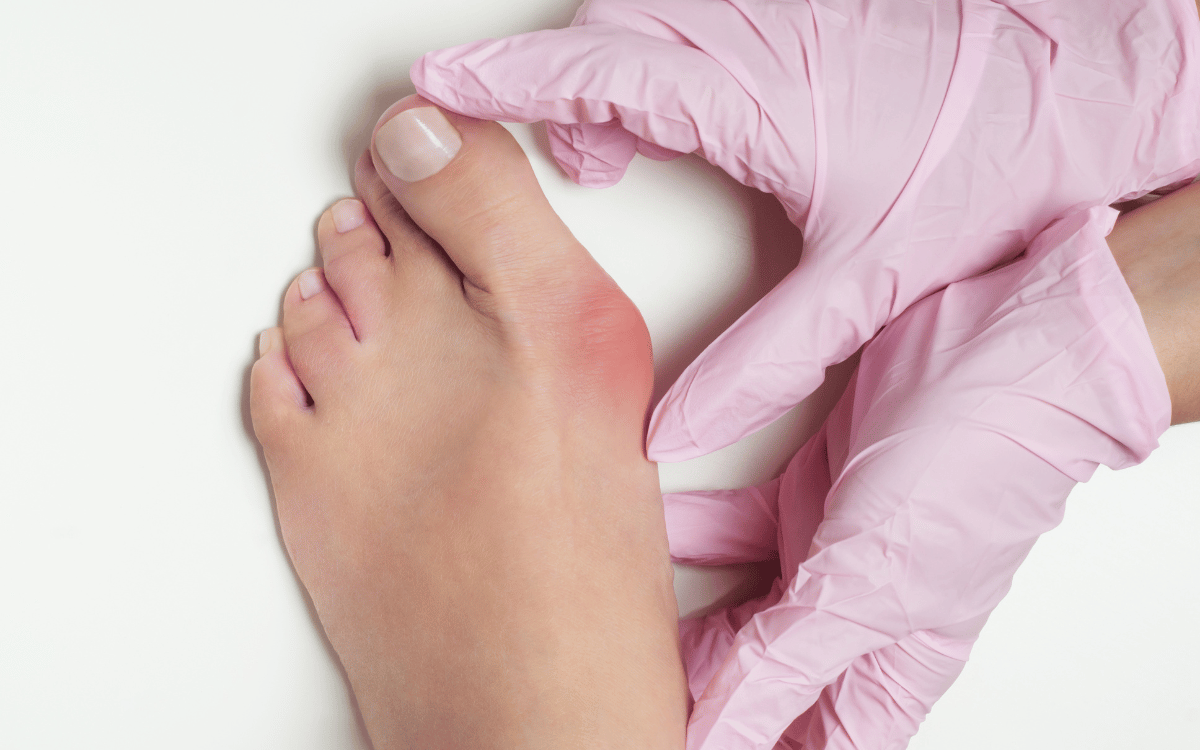
- Swelling and Inflammation: Noticeable swelling around the joint can often coincide with redness and warmth.
- Limited Movement: Difficulty in moving the toe, which may affect overall foot function.
- Deformity: The visible bump from the bunion can change toe alignment, leading to other foot issues.
Recognizing these symptoms early can lead to timely intervention and prevent further complications.
How does foot biomechanics influence bunion development?
Foot biomechanics plays a vital role in bunion development, as improper alignment and movement patterns can place undue stress on the toe joint. For example, an individual with flat feet may experience increased pressure on the big toe joint, accelerating bunion formation. Understanding these mechanical influences is crucial for implementing effective preventive measures. Proper education on foot mechanics can empower individuals to make necessary adjustments, such as selecting supportive footwear or engaging in specific exercises that improve foot stability, thereby reducing the likelihood of bunions.
Which non-surgical bunion treatments are available in Sydney?
Sydney offers a variety of non-surgical bunion treatment options designed to alleviate pain and address underlying biomechanical issues. These treatments include:
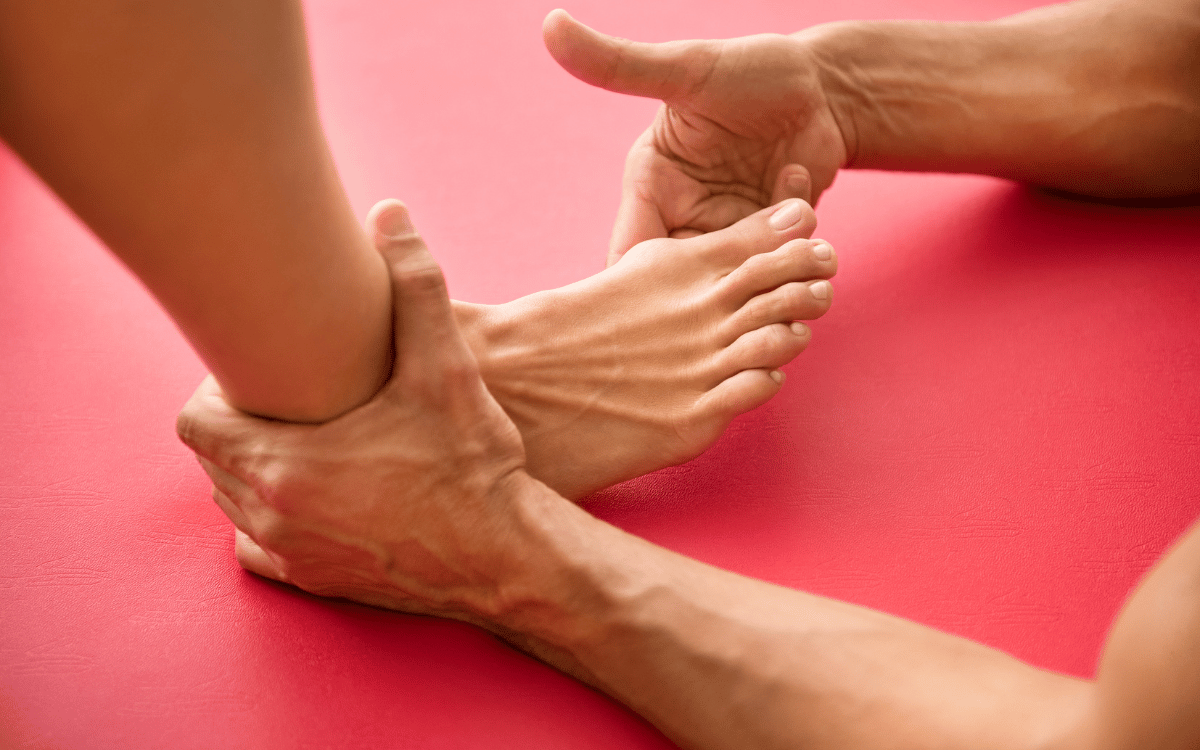
- Foot Mobilisation Therapy: A manual therapy to improve joint movement and reduce pain.
- Cold Laser Therapy: A non-invasive treatment to reduce inflammation and promote healing.
- Active Exercise Rehabilitation: Exercises designed to strengthen foot muscles and improve mechanics.
These options not only address immediate discomfort but also support long-term foot health and well-being.
How do Foot Mobilisation Therapy, Cold Laser Therapy, and Active Exercise Rehab provide bunion pain relief?
Foot Mobilisation Therapy involves gentle manual techniques aimed at restoring normal joint function and alignment in the foot. Cold Laser Therapy uses low-level laser light to penetrate affected tissues, reducing inflammation and promoting cellular repair. Active Exercise Rehabilitation focuses on strengthening muscles, improving flexibility, and correcting biomechanical imbalances. Together, these therapies address the root causes of bunion pain and improve foot function, leading to enhanced mobility and reduced discomfort.
What role do footwear modifications play?
Proper footwear plays an essential role in bunion management. Wearing shoes that offer ample space for the toes and provide proper arch support can effectively reduce bunion pain. Selecting supportive, well-fitting shoes decreases stress on the bunion and complements therapeutic interventions. Incorporating appropriate footwear into one’s lifestyle can yield substantial benefits in managing bunion-related symptoms.
How do Sydney foot experts assess and plan bunion care?
In Sydney, foot experts utilize a multifaceted assessment approach to develop personalized bunion care plans. This assessment typically involves evaluating foot structure, biomechanics, and range of motion. An expert’s knowledge ensures a thorough understanding of the individual’s foot health, which is essential for recommending the most effective treatment options. Including patient education about the condition and self-management strategies enhances the overall treatment experience.
What does a professional foot assessment for bunions involve?
A professional foot assessment for bunions involves several key components:
- Visual Inspection: Evaluating the foot for signs of deformity and checking for any swelling.
- Physical Examination: Assessing range of motion and tenderness in the affected area.
- Diagnostic Imaging: In some cases, X-rays may be used to evaluate the alignment of bones.
These steps help the expert create a tailored treatment strategy aimed at alleviating symptoms and preventing further complications.
How can patients schedule expert bunion assessments in Sydney?
Patients can easily schedule expert bunion assessments through various methods, including contacting local podiatric clinics directly or using online booking services. It’s advisable to seek initial assessments soon after symptom onset to prevent further complications. Sydney Foot Solutions currently offers initial assessments, making it an accessible option for individuals seeking non-surgical solutions for bunion pain relief.
Patient Reviews and Testimonials
Discover what patients are saying about their experiences with non-surgical bunion treatments at Sydney Foot Solutions. Over 200 5 star reviews! Many patients report significant improvements in their mobility and pain levels after following tailored care plans provided by the expert team.
You can read more patient testimonials and reviews on their website to learn how comprehensive care and early intervention make a difference in managing bunion pain effectively.
What are effective pain relief methods and patient experiences with bunion care?
Effective pain relief methods for bunions often combine several strategies, including:
- Topical Treatments: These can help in reducing inflammation and discomfort.
- Pain Relievers: Over-the-counter medications can provide temporary relief during flare-ups.
- Combination Therapies: Integrating multiple modalities such as Foot Mobilisation Therapy, cold laser therapy, and active exercise rehab can maximize pain relief.
Patients often share positive experiences when adopting comprehensive care plans, highlighting the important role of supportive healthcare providers in achieving satisfactory outcomes.
What non-surgical pain relief techniques do podiatrists recommend?
Podiatrists frequently recommend various non-surgical techniques to alleviate bunion pain, such as:
- Stretching Exercises: Gentle stretches can help relieve tight muscles and improve flexibility.
- Ice Therapy: Applying ice packs can reduce swelling and numb pain during flare-ups.
- Foot Massages: Regular massages can promote circulation and relieve tension in the affected areas.
These self-care techniques are simple yet effective ways for individuals to manage their bunion symptoms.
Where can I find testimonials from Sydney patients who avoided surgery?
While individual experiences may vary, several patients in Sydney have shared their success stories regarding non-surgical bunion treatments. Many report significant improvements in mobility and pain levels after following tailored care plans involving podiatric recommendations and lifestyle modifications. This community feedback emphasizes the importance of early intervention and the value of a comprehensive treatment approach.
Studies have also explored the efficacy of such comprehensive, non-surgical approaches in managing bunion pain.
Nonsurgical Interventions for Hallux Valgus Pain Management
Twenty-eight community-dwelling women with painful hallux valgus were randomised to receive either a multifaceted, nonsurgical intervention (footwear, foot orthoses, foot exercises, advice, and self-management) or usual care (advice and self-management alone). Outcome measures were obtained at baseline, 4, 8 and 12 weeks. The primary outcome was feasibility, evaluated according to demand (recruitment rate and conversion rate), acceptability, adherence, adverse events, and retention rate.
Nonsurgical management of hallux valgus: findings of a randomised pilot and feasibility trial, HB Menz, 2023