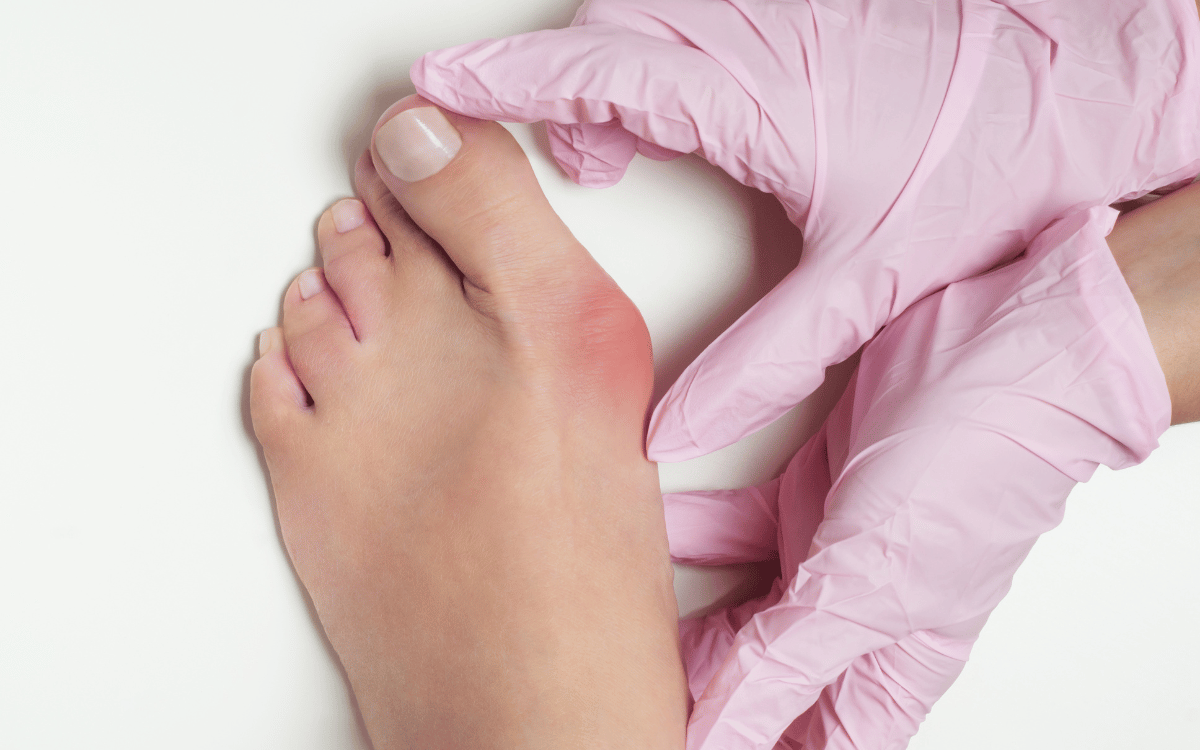
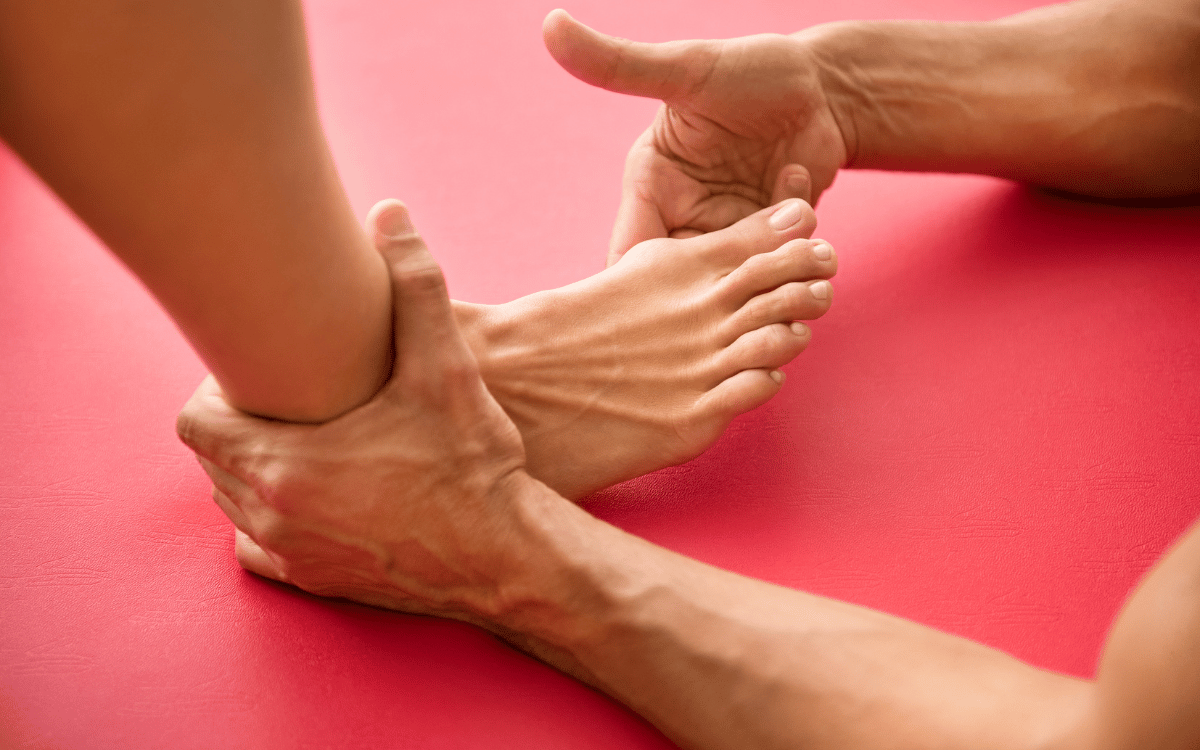
Comprehensive Guide to Heel Pain, Plantar Fasciitis, and Heel Pain Treatment in Sydney
Heel pain is a common yet debilitating condition that can affect every aspect of daily life. It may result from overuse, trauma, or underlying systemic conditions, limiting activity, disrupting sleep, and reducing mobility. This guide explores how heel pain develops, the role of plantar fasciitis as a major cause, and treatment options—focusing on expert care in Sydney. By reviewing symptoms, causes, diagnostics, and treatment plans, this article aims to empower patients to better understand their condition and gain relief. It discusses physical examinations, imaging, various treatment modalities including orthotics, physical therapy, injections, and surgery, along with lifestyle changes and preventive measures. Ultimately, you will gain insights into managing heel pain and plantar fasciitis and learn where to find trusted podiatrists and foot care clinics in Sydney.
What Is Heel Pain and How Does It Affect You?
Heel pain is discomfort in the heel region that can significantly limit mobility and quality of life. It often arises from trauma, repetitive stress, or degenerative changes and can affect both active and sedentary individuals.
It limits your ability to stand, walk, or perform weight-bearing activities. Many experience shooting or burning pain, especially during the first steps in the morning or after prolonged activity. These symptoms can lead to altered gait mechanics, which in turn place extra stress on the knee, hip, or back. Clinical examinations typically reveal tenderness at the calcaneus or along the plantar aspect of the foot, and diagnostic imaging (ultrasound, MRI) is useful for confirming the cause.
What Causes Heel Pain?
Heel pain may be due to overuse injuries, poor footwear, obesity, or abnormal foot biomechanics. Repetitive microtrauma can lead to inflammation of the soft tissues around the heel. Conditions such as plantar fasciitis, Achilles tendonitis, bursitis, and heel spurs are common contributors. Abnormal gait or structural issues like flat feet or high arches may further stress the heel, while systemic conditions such as rheumatoid or psoriatic arthritis can also be factors. A careful physical examination and detailed patient history help determine whether the pain is mechanical or related to other pathology.
For example, plantar fasciitis is often triggered by sudden activity increases or unsupportive footwear. Structural deformities may alter weight distribution, resulting in chronic inflammation and tissue damage. Gait analysis and imaging studies help pinpoint the precise cause, ensuring targeted treatment planning.
What Are the Typical Symptoms of Heel Pain?
Typical symptoms include: – Persistent pain in the bottom or back of the heel. – Sharp pain with the first steps after rest. – Worsening discomfort with prolonged activity. – Swelling, stiffness, or redness (in cases of inflammation).
Morning pain or pain after inactivity is common due to stiffness in the plantar fascia. Burning or tingling sensations may indicate nerve involvement, such as tarsal tunnel syndrome. Due to its impact on daily activities (e.g., climbing stairs, prolonged standing), a proper clinical evaluation is essential for early diagnosis and management to prevent further complications.
When Should You See a Podiatrist for Heel Pain?
Consult a podiatrist if heel pain becomes chronic, interferes with daily activities, or fails to improve with home care. Pain lasting several weeks with associated swelling or tenderness may indicate stress fractures or tendon ruptures. A podiatrist will perform a thorough examination and may use X-rays, ultrasounds, or MRIs for accurate diagnosis.
Early intervention is key. A specialist can suggest custom orthotics, supportive footwear, or specific physical therapy exercises. If systemic conditions like rheumatoid or psoriatic arthritis are suspected, coordinated care with other specialists may be needed. Persistent pain affecting gait or causing secondary joint pain warrants prompt professional attention.
What Is Plantar Fasciitis and Why Is It a Leading Cause of Heel Pain?
Plantar fasciitis is the inflammation of the plantar fascia, a thick band of tissue running from the heel to the toes. It is one of the most common causes of heel pain and can significantly impair mobility and overall quality of life.
Patients typically experience a sharp, stabbing pain in the heel—particularly with the first steps in the morning or after prolonged rest. Its prevalence in athletes as well as sedentary individuals highlights the importance of early recognition and treatment. The condition generally develops due to repetitive strain from overuse. Risk factors include obesity, prolonged standing, and unsupportive footwear, all of which increase tension on the fascia. Biomechanical issues like flat feet or high arches can worsen the condition, making recovery more challenging.
How Does Plantar Fasciitis Develop?
Plantar fasciitis develops from microtears in the fascia caused by repetitive strain. Activities such as running or prolonged standing on hard surfaces subject the fascia to constant tension, resulting in small tears. Over time, these accumulate and lead to inflammation and stiffness.
The process involves mechanical overload and degenerative changes, with reduced tissue elasticity and compromised blood flow. These changes hinder healing and prolong recovery. Early mechanical support and modifications in risk factors can help prevent progression.
What Are the Symptoms of Plantar Fasciitis?
The hallmark symptom is a sharp, stabbing pain in the heel, most noticeable upon the first steps after inactivity. The pain is typically described as deep and aching, sometimes radiating along the arch. Symptoms may temporarily improve with continued activity but worsen after rest. Additional signs include swelling, localized tenderness, and stiffness, all of which can be confirmed by physical examination and imaging.
Clinical studies suggest that the intensity of symptoms often correlates with the degree of tissue inflammation. Recognizing these symptoms early is crucial for effective treatment and to minimize the risk of chronic pain.
How Is Plantar Fasciitis Diagnosed?
Diagnosis is based on patient history, a physical exam, and imaging studies. A podiatrist will check for tenderness at the medial calcaneal tuberosity, examine the foot’s range of motion, and review the patient’s gait. Imaging techniques (X-ray, ultrasound) may be used to exclude other conditions such as heel spurs or stress fractures. In more severe cases, MRI can assess soft tissue integrity. Early and accurate diagnosis allows for tailored treatment strategies, including stretching exercises, orthotics, and weight management.
What Are the Best Treatment Options for Heel Pain and Plantar Fasciitis?
Treatment approaches range from simple home remedies to advanced medical procedures. An effective plan integrates lifestyle modifications, physical therapy, and, when necessary, more invasive interventions to reduce inflammation and promote healing.
Conservative treatments include rest, ice application, and over-the-counter NSAIDs for pain relief. Custom orthotics and supportive footwear help distribute weight evenly and correct abnormal biomechanics. Physical therapy exercises, such as calf stretches, heel raises, and eccentric loading, have proven effective in reducing pain and improving flexibility. These exercises also strengthen the calf muscles, improve gait mechanics, and reduce pressure on the heel.
How Do Orthotics Help in Treating Plantar Fasciitis?
Custom orthotics play a crucial role by redistributing pressure away from the heel and supporting the arch. They provide immediate biomechanical correction and reduce strain on the plantar fascia. Studies have shown that such devices can significantly improve foot alignment and lower heel pain, thereby enhancing overall function. They work by cushioning the heel, dispersing forces during walking, and encouraging tissue healing through continuous support.
What Physical Therapy Exercises Relieve Heel Pain?
A targeted physical therapy program includes stretching and strengthening exercises that focus on the calf muscles, plantar fascia, and surrounding tissues. Effective exercises include: – Calf stretches (against a wall or step). – Achilles tendon stretches. – Towel curls and eccentric heel drops.
These exercises improve flexibility, reduce stiffness, and enhance blood flow to the affected area. Regular physical therapy not only reduces pain but also corrects compensatory gait mechanics, preventing additional strain on other joints.
When Are Injections or Surgery Recommended?
In cases where conservative measures fail to provide relief after several months, more advanced treatments may be considered. Corticosteroid injections can reduce local inflammation and pain but should be used judiciously to avoid weakening the fascia. If pain remains severe and function is significantly impaired, surgical options such as plantar fascia release or shockwave therapy may be recommended. The decision depends on symptom duration, functional impairment, and the patient’s overall response to less invasive treatments, and should be made collaboratively with a podiatrist.
Comparative Overview of Non-Invasive Heel Pain Treatments
How Can You Prevent Heel Pain and Plantar Fasciitis?
Prevention relies on lifestyle modifications, appropriate footwear, and exercises designed to strengthen the foot and leg. Addressing risk factors—such as maintaining a healthy weight, modifying activities, and ensuring proper foot support—can significantly reduce the likelihood of developing heel pain.
Wearing shoes that offer good arch support and cushioning is critical. Regular stretching and strengthening exercises help maintain flexibility and distribute pressure evenly across the foot. Routine check-ups with your healthcare provider can also identify early signs of biomechanical imbalance, allowing for timely intervention.
What Lifestyle Changes Reduce Heel Pain Risk?
Key lifestyle changes include: – Maintaining a healthy weight to reduce stress on the heels. – Engaging in low-impact exercises (swimming, cycling) to improve fitness without overloading the feet. – Adopting a balanced diet rich in anti-inflammatory nutrients. – Incorporating daily stretching and strengthening routines to reinforce proper foot mechanics.
These changes can lessen discomfort and help prevent the recurrence of heel pain.
Which Exercises Help Prevent Plantar Fasciitis?
Preventive exercises focus on both stretching and strengthening: – Calf and plantar fascia stretches help maintain flexibility. – Towel scrunches and toe curls strengthen intrinsic foot muscles. – Eccentric exercises for the Achilles tendon reduce strain on the plantar fascia.
Performing these exercises regularly (three to four times per week) builds a resilient musculoskeletal foundation that minimizes repetitive stress and prevents microtrauma.
Where to Find Expert Heel Pain Treatment in Sydney?
For chronic heel pain or plantar fasciitis, expert treatment centers in Sydney provide comprehensive diagnostic and treatment options. These specialized clinics, staffed by skilled podiatrists and orthopedic specialists, utilize advanced medical imaging and gait analysis to develop personalized treatment plans.
Facilities like Sydney Foot & Ankle Clinic are known for their patient-centered, evidence-based approach. They offer non-invasive therapies—including physical therapy, custom orthotics, and injection treatments—as well as advanced surgical interventions when necessary. Such multidisciplinary care has been shown to improve mobility and reduce pain, as confirmed by patient testimonials and clinical outcomes.
What Services Does Sydney Foot & Ankle Clinic Offer for Heel Pain?
Services include: – Complete diagnostic assessments with advanced imaging and biomechanics evaluations. – Customized orthotic fittings and tailored physical therapy programs. – Injection therapies (corticosteroid, shockwave) and surgical options when warranted.
These services are delivered in a supportive, patient-centered environment that emphasizes early intervention and comprehensive care.
How to Choose the Right Podiatrist in Sydney?
When choosing a podiatrist, consider: – Their qualifications and clinical experience. – Familiarity with advanced treatment options for plantar fasciitis and other heel conditions. – Patient reviews and outcomes data. – Their willingness to educate you on preventive strategies and self-care techniques.
Open communication and trust with your healthcare provider are essential for long-term management success.
What Do Patients Say About Heel Pain Treatment in Sydney?
Patients often report significant relief and improved mobility after treatment in Sydney. They appreciate the personalized, multidisciplinary approach, effective custom orthotics, and targeted physical therapy. Many share success stories of reduced morning pain, improved gait, and a faster return to daily activities, reinforcing the quality of care provided by these specialized clinics.
What Are Other Common Causes of Heel Pain Besides Plantar Fasciitis?
Aside from plantar fasciitis, heel pain can also result from conditions such as Achilles tendonitis, heel spurs, tarsal tunnel syndrome, and stress fractures. Each condition has distinct characteristics requiring specific diagnostic and treatment approaches.
Achilles tendonitis originates from overuse and inflammation of the Achilles tendon, causing pain at the back of the heel. Heel spurs are bony protrusions often associated with chronic inflammation and may cause persistent pain during activity. Tarsal tunnel syndrome results from compression of the tibial nerve at the inner ankle, leading to burning or tingling sensations. Stress fractures are small cracks in the heel bone from overuse, requiring imaging for proper diagnosis. Understanding these different causes is crucial for accurate diagnosis and effective treatment.
How Does Achilles Tendonitis Cause Heel Pain?
Overuse or strain on the Achilles tendon leads to microscopic tears and subsequent inflammation. The resulting pain, often worsened by prolonged standing or increased activity, is typically felt at the back of the heel. Ultrasound imaging and clinical examinations assist in diagnosis, and treatment generally includes rest, ice, NSAIDs, and targeted calf stretching exercises.
What Is a Heel Spur and How Is It Treated?
A heel spur is a bony outgrowth on the calcaneus often developing secondary to chronic plantar fasciitis. When symptomatic, it causes localized pain, especially during the first steps in the morning. Treatment is mainly conservative, involving physical therapy, custom orthotics, footwear modifications, and sometimes corticosteroid injections. In severe cases, surgical removal may be considered.
What Are Tarsal Tunnel Syndrome and Stress Fractures?
Tarsal tunnel syndrome involves compression of the tibial nerve leading to burning, tingling, or numbness in the heel and sole. Stress fractures, in contrast, are tiny cracks in the heel bone resulting from overuse. Diagnosis typically requires MRI or bone scans, and treatment varies from rest and immobilization to physical therapy or, in select cases, surgical intervention.
Frequently Asked Questions on Non-Invasive Heel Pain Treatments
How effective are non-invasive treatments for heel pain?
Non-invasive treatments such as physical therapy, custom orthotics, shockwave therapy, and laser therapy have demonstrated effectiveness in reducing pain and improving function. Success rates vary by individual condition severity, but combined approaches often yield the best outcomes.
What is the typical recovery time for non-invasive heel pain treatments?
Recovery timelines generally range from a few weeks to several months. Physical therapy and orthotics typically show benefits in 4 to 12 weeks, while shockwave and laser therapies may require multiple sessions over weeks before significant improvements are experienced.
Are there any lifestyle adjustments needed during non-invasive treatment?
Yes, patients are often advised to modify activities to avoid aggravating the heel, wear supportive footwear, and engage consistently in stretching and strengthening exercises. These adjustments aid recovery and reduce the risk of symptom recurrence.
What can patients expect during physical therapy for heel pain?
Physical therapy includes guided exercises to stretch and strengthen the calf and plantar fascia, gait training, and modalities such as ultrasound or massage. Patients typically attend regular sessions and perform daily home exercises, gradually regaining mobility and reducing discomfort.
Is shockwave therapy painful or risky?
Shockwave therapy is generally well tolerated, with minor discomfort during treatment. It is a safe outpatient procedure with few risks, but it should be administered by experienced clinicians following a proper assessment.
How do custom orthotics contribute to long-term relief?
Custom orthotics correct biomechanical imbalances by redistributing pressure and supporting the arch, thereby reducing plantar fascia strain. When used consistently, they can prevent symptom recurrence and improve foot function over time.
Can combining treatments improve outcomes?
Yes, integrating multiple non-invasive treatments—such as physical therapy combined with orthotics or shockwave therapy—can enhance recovery by addressing different aspects of the condition. A podiatrist can tailor combination plans based on individual needs.
Frequently Asked Questions
Q: What non-surgical treatments are most effective for heel pain?A: Treatments such as rest, ice therapy, physiotherapy, custom orthotics, and NSAIDs are effective first-line options, as demonstrated in clinical trials.
Q: Can I continue exercising with plantar fasciitis?A: Yes, low-impact exercises like swimming and cycling are recommended; however, high-impact activities should be modified to avoid exacerbation.
Q: How can I tell if my heel pain is due to plantar fasciitis or another condition?A: Heel pain that is sharp during the first steps in the morning and improves with activity typically indicates plantar fasciitis. Persistent or unusual pain patterns warrant evaluation by a podiatrist.
Q: Are corticosteroid injections safe for long-term management of heel pain?A: They can provide short-term relief but are generally not advised for long-term use due to potential tissue weakening; usage is evaluated on an individual basis.
Q: What dietary factors can support heel pain recovery?A: A balanced diet rich in omega-3 fatty acids, antioxidants, and vitamin D aids tissue repair and inflammation reduction, while proper nutrition supports weight management.
Q: How soon should I expect to see results from physical therapy?A: Improvements are generally observed within 4 to 6 weeks, with continued benefits accruing over several months.
Q: Is it necessary to consult a specialist if my heel pain improves with at-home treatment?A: Yes, if the pain recurs or persists for more than a few weeks, consulting a podiatrist is recommended to prevent long-term complications.
Final Thoughts
Heel pain and plantar fasciitis can significantly affect daily life if not properly managed. Timely diagnosis and a comprehensive treatment approach—incorporating orthotics, physical therapy, and lifestyle modifications—can improve outcomes and quality of life. Patient education, consistent care, and proactive prevention are critical to preserving mobility and overall foot health. Continue to seek expert advice and maintain healthy habits to ensure lasting relief.