Does Foot Mobilisation Therapy for Bunions Hurt?
By Sydney Foot Solutions Editorial Team · Updated 2026-07-24
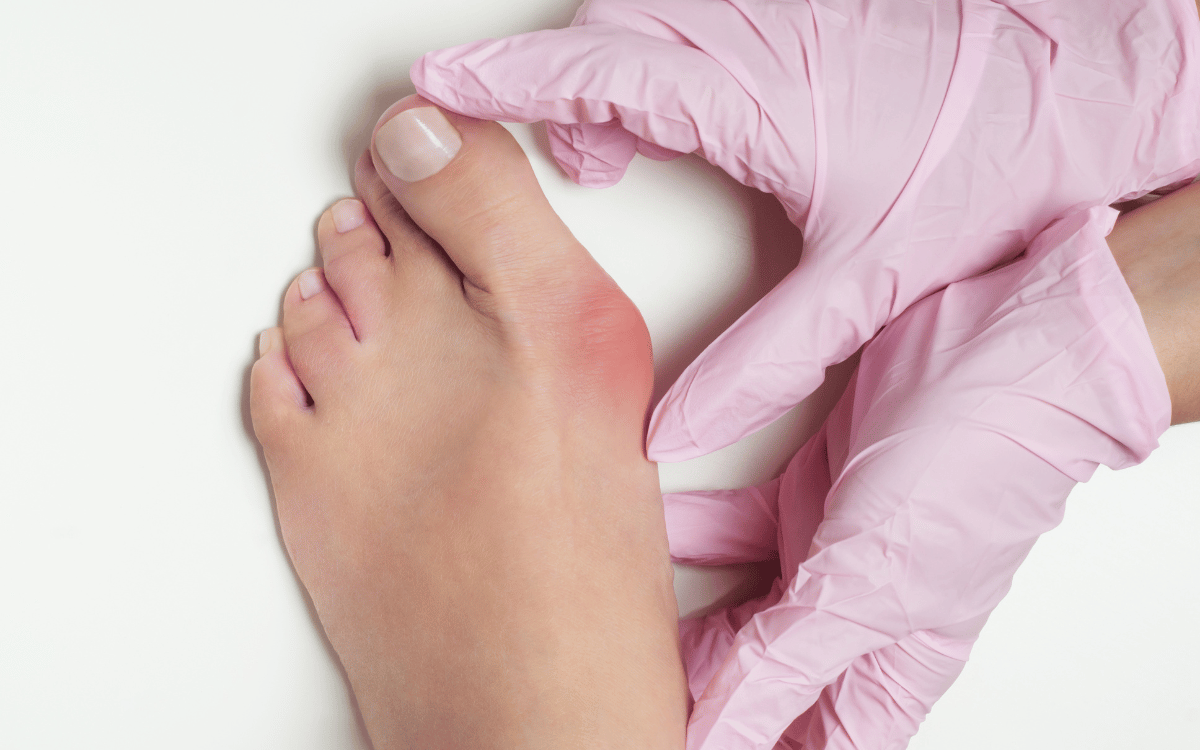
Foot Mobilisation Therapy for Bunions: Correcting Bunions With Foot at Sydney Foot Solutions involves gentle, hands-on pressure, not forceful manipulation, so most clients describe mild pressure or stretching rather than sharp pain. Podiatrists guide bunion joints back toward proper alignment gradually across sessions, easing restrictions without surgery, scalpels, or extended recovery time, making discomfort minimal compared to post-operative bunion pain.
Key Takeaways
- Foot Mobilisation Therapy addresses underlying bunion causes without surgery, orthotics, or lifestyle compromises.
- Sydney Foot Solutions offers new patient assessments at 65% off in Manly Vale, NSW.
- FMT improves walking mechanics and straightens the big toe through hands-on manual therapy.
- Comprehensive assessments include biomechanical examination, gait analysis, diagnosis, and personalized treatment plans.
Does Foot Mobilisation Therapy Hurt?
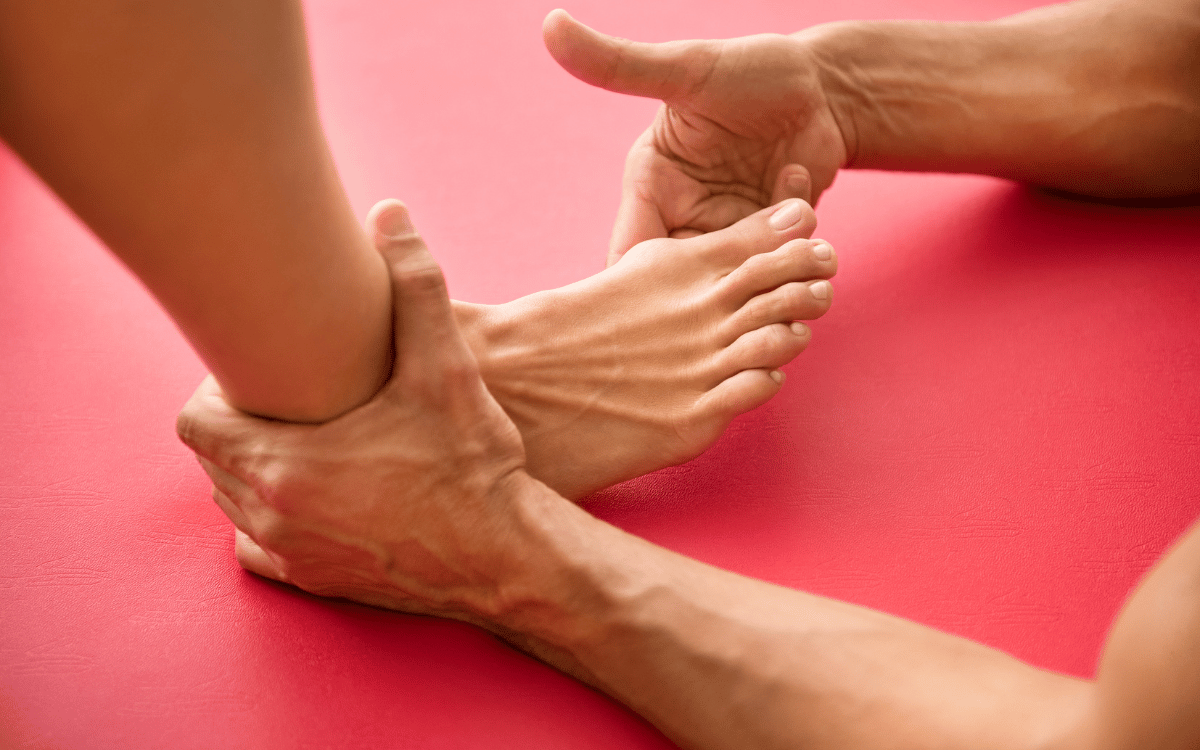
Bunion patients rarely report significant discomfort during treatment. Foot mobilisation therapy for bunions involves gentle, hands-on pressure, which most patients find comfortable and not painful. The technique relies on small, controlled passive movements of the foot joints, aimed at improving motion and easing pain rather than causing it.
Is Foot Mobilisation Therapy Painful?
Is foot mobilisation therapy painful for someone with an already tender bunion? Generally, no. The joints are guided back toward a healthier position, and restrictions in the surrounding soft tissue get released gradually. Nothing gets cracked, popped, or forced. Podiatrists work within a comfortable range, adjusting pressure based on how the foot responds during the session.
What Does Foot Mobilisation Therapy Feel Like for Bunions?
Patients often describe foot mobilisation therapy bunions feel like a firm, focused stretch rather than a sharp or lingering pain. Some notice mild tenderness afterward, similar to the sensation following a deep massage. That feeling usually fades within a short time.
Sydney Foot Solutions built its approach around this hands-on method, treating bunions and heel pain without surgery, orthotics, or lifestyle disruption. cite-2 Compared with **non-surgical bunion treatment** options that rely on rigid supports, the difference stands out clearly:
- Bunion joint mobilisation: gentle, guided, focused on realigning joint position
- Orthotics: passive support, doesn’t address joint restriction directly
- Surgery: invasive, longer recovery, higher risk
Does foot mobilisation therapy hurt patients enough to avoid it? Rarely — most tolerate sessions well while working toward long-term relief.
What Does A Session Feel Like?
Gentle pressure, small joint movements, and no sharp pain describe a typical session of foot mobilisation therapy for bunions. Clients often expect something closer to a forceful adjustment, but the technique stays slow and controlled throughout.
Is Foot Mobilisation Therapy Painful?
Is foot mobilisation therapy painful? For most clients, no. Does foot mobilisation therapy hurt the way surgery recovery does? Not typically — the joints are guided rather than forced, and stiff areas are eased open rather than cracked or wrenched.
So what does foot mobilisation therapy bunions feel like in practice? The hands-on work stimulates the body to produce synovial fluid within stiff, arthritic joints. That fluid lubricates the joint surfaces, so movement starts to feel smoother and looser rather than sharp or sore as the session progresses.
Each foot contains 33 joints, functioning much like links in a chain. Stiffness in one link changes how the rest of the chain moves, which is why bunion joint mobilisation often targets areas beyond the big toe itself.
Before any hands-on work begins, Sydney Foot Solutions conducts a full assessment:
- Initial consultation to discuss symptoms and history
- Biomechanical examination
- Gait analysis
- Diagnosis with explanation of the underlying cause
- Personalized treatment plan
This groundwork ensures the non-surgical bunion treatment targets the actual source of misalignment — improving stance and gait. Gradually helping straighten the big toe — rather than just addressing surface symptoms during FMT bunion treatment.
Why Choose Non-Surgical Bunion Treatment?
Surgery carries a real risk of disappointment: one study found that 30% of bunion surgery patients ended up unhappy with their results. That statistic alone makes non-surgical bunion treatment worth exploring before committing to an operating table. Bunions typically trace back to family history, tight shoes, or foot misalignment, and addressing those underlying causes early can actively improve the joint rather than just masking pain. cite-3
Footwear choices matter more than most people realize. Tight shoes don’t protect against bunions. Research from the UK suggests they can actually speed up the bony growth that makes bunions worse.
Does Non-Surgical Treatment Actually Address the Cause?
Yes. Bunion joint mobilisation targets the misalignment driving the bunion forward, rather than simply removing the bump surgically. Combining this hands-on approach with better-fitting shoes gives the joint a real chance to stabilize.
Is It Worth Booking an Assessment Early?
Waiting rarely helps. Sydney Foot Solutions currently offers new patients an assessment at 65% off, which lowers the barrier to starting treatment sooner rather than waiting until pain becomes severe. Earlier action generally means more treatment options remain on the table.
Trusted by Patients Across Sydney
While medical regulations prevent Sydney Foot Solutions from offering a 100% guarantee, the clinic’s non-surgical bunion program is backed by over 200 five-star patient reviews. During a Non-Surgical Bunion Assessment, weight-bearing X-rays and joint mobility measurements are taken to give patients an honest, transparent outlook before treatment begins.
- Over 200 five-star patient reviews reflect consistent satisfaction with Sydney Foot Solutions’ non-surgical approach
- Weight-bearing X-rays taken during the initial assessment reveal how the joint behaves under real-world pressure
- Joint mobility measurements help establish a clear, honest picture of expected outcomes before treatment starts
FAQ
Is foot mobilisation therapy painful for bunions?
No, most clients experience mild pressure or stretching rather than sharp pain. Podiatrists use gentle, hands-on guidance instead of forceful manipulation, keeping discomfort minimal compared to post-surgical recovery.
What does a foot mobilisation therapy session feel like?
Sessions feel like a firm, focused stretch rather than a lingering pain. Podiatrists apply small, controlled movements to the foot joints, adjusting pressure based on how the foot responds.
Is there any discomfort after a foot mobilisation therapy session?
Some clients notice mild tenderness afterward, similar to the feeling following a deep massage. This sensation typically fades within a short time after the session ends.