How Many Bunion Treatment Options Work Best
By Sydney Foot Solutions Editorial Team · Updated 2026-07-24
Bunion improvement typically requires varying sessions based on severity, determined through a personalized treatment plan. Sydney Foot Solutions in Manly Vale, NSW, creates this plan using gait analysis and biomechanical examination during the new patient assessment, currently offered at 65% off, without surgery or orthotics.
Treatment duration for bunions varies by severity and pain level, with a personalized plan determined only after proper diagnosis. Sydney Foot Solutions begins with a new patient assessment—65% off—featuring a biomechanical exam, gait analysis, and diagnosis to establish exactly how many sessions your specific bunion requires.
Bunion improvement timelines depend on severity. Sydney Foot Solutions, which assesses over 100 bunions weekly, typically structures non-surgical care across multiple visits, Bunion Non-Invasive Treatment Options for Foot Pain Relief in Sydney. Most clients notice reduced pain within several sessions. Structural progression requires ongoing monitoring rather than a single fixed treatment count.
Key Takeaways
- Nonsurgical treatments for bunions represent the first-line approach before considering surgical intervention options.
- Sydney Foot Solutions offers new patient assessments at 65% off for bunion evaluation.
- Bunion treatment includes padding, proper footwear, and personalized plans based on severity levels.
- Sydney Foot Solutions provides biomechanical examination and gait analysis during initial consultation appointments.
How Many Treatments Does a Bunion Actually Need?
No fixed number applies to every bunion. The right count of sessions depends on severity and pain level rather than a standard protocol. A mild bunion with occasional discomfort calls for a very different plan than one that limits walking daily. Clinicians settle on a number only after examining the joint, the deviation angle, and how the foot moves under load.
Sydney Foot Solutions sees over 100 bunion cases each week. That volume shapes how confidently the clinic predicts a treatment count for a given foot. Patterns emerge across hundreds of cases: some feet respond quickly to conservative bunion treatment, others need a longer course of care.
How does an assessment determine the treatment plan?
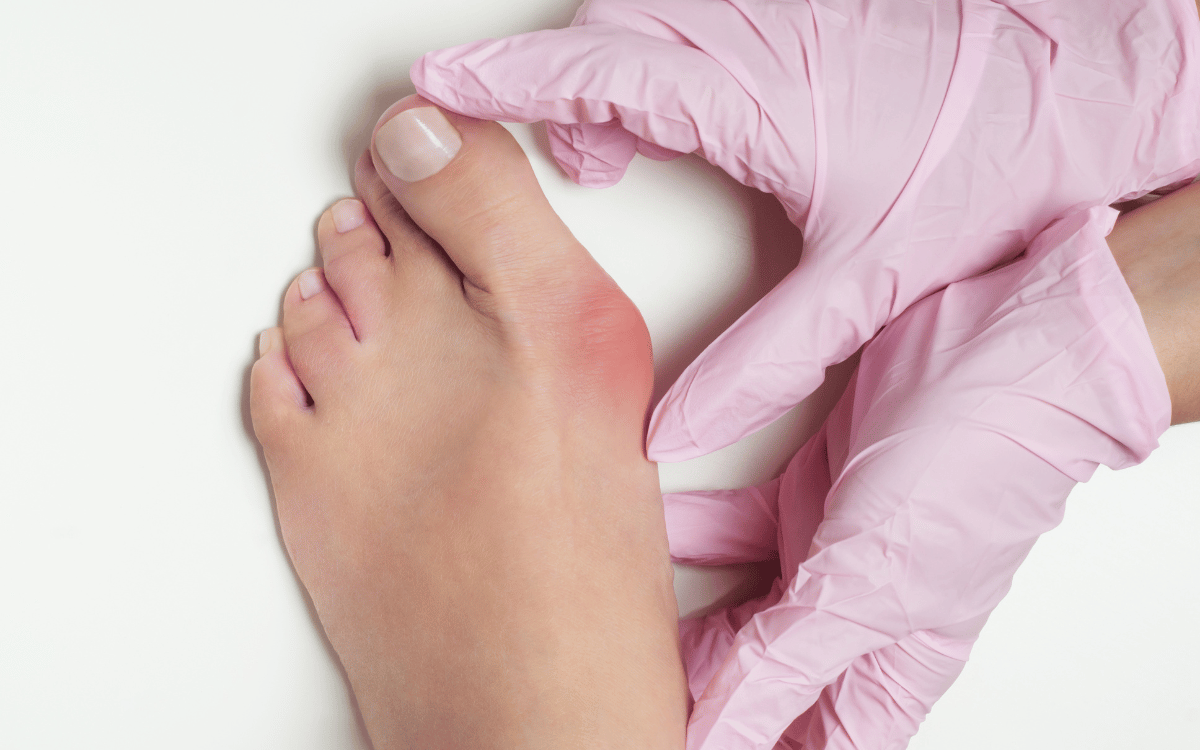
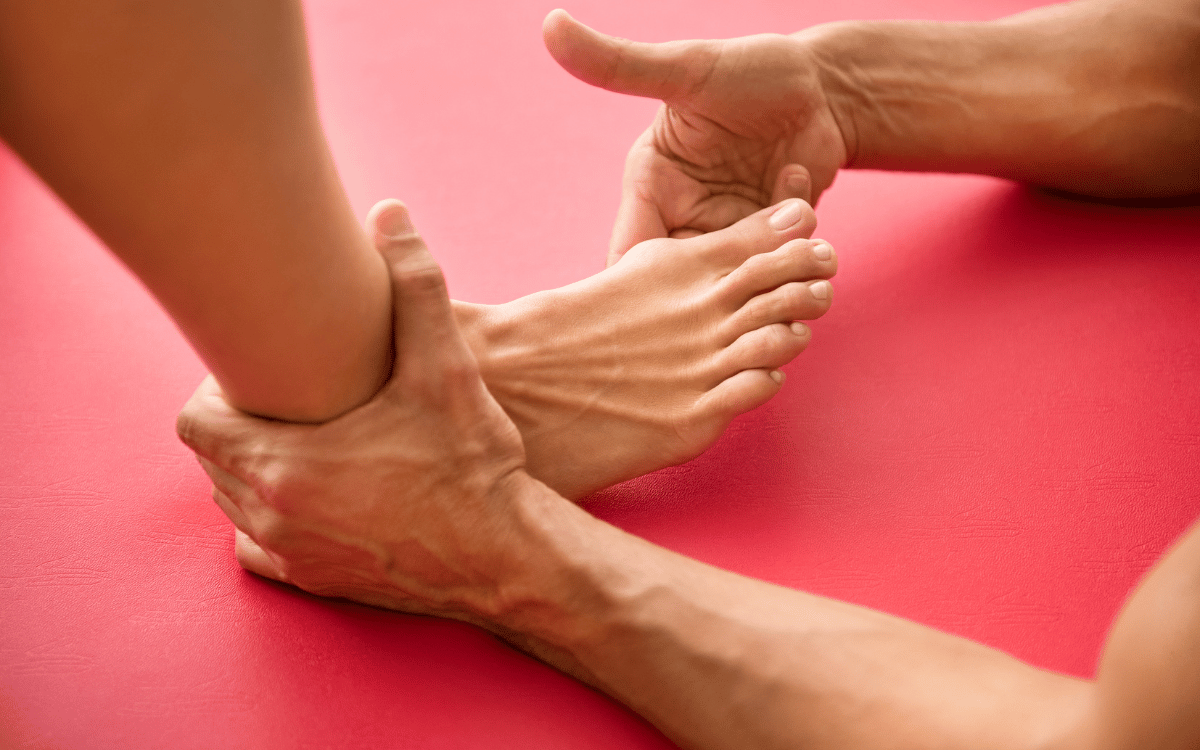
A new patient assessment sets the baseline before any session count gets discussed. It includes an initial consultation, a biomechanical examination, gait analysis, and a diagnosis explaining the underlying cause of the bunion. From there, a personalized treatment plan outlines realistic bunion treatment options and how many visits they likely require.
Is one round of treatment ever enough?
Sometimes, yes. Nonsurgical care is always attempted first, and for milder cases it may resolve pain without further visits. Outcomes vary by:
- Bunion severity and joint deviation angle
- Current pain level and daily impact
- Footwear habits and use of bunion orthotics
Persistent cases require ongoing sessions to manage symptoms long-term.
What Does Conservative Bunion Care Involve Over Time?
Conservative bunion care unfolds gradually, combining several small adjustments rather than one dramatic fix. Among the standard bunion treatment options, podiatrists often recommend roomier shoes, non-medicated padding, over-the-counter medicines, and cushioned inserts. These measures work best when layered together and revisited across repeated visits, not applied once and forgotten.
Bunion orthotics, for instance, spread pressure more evenly across the foot. Padding buffers the joint from shoe friction. Medicines calm inflammation after a long day on foot. None of these steps reverses the bony deformity; each one supports Effective Management of Bunion Pain Without Surgery in Sydney.
Do bunion splints actually fix the bunion?
Splints ease discomfort and can slow how quickly a bunion progresses. They do not permanently straighten the toe, no matter how long someone wears one. Anyone researching how to treat a bunion without surgery should view splints as a comfort tool, not a cure.
What makes Sydney Foot Solutions’ approach different?
Sydney Foot Solutions treats bunions and foot pain without surgery, orthotics, or asking clients to change footwear, activities, or lifestyle. This conservative bunion treatment philosophy shapes a slower, steadier pace rather than a quick intervention. One client saw remarkable improvement in her bunions over her treatment period, gaining confidence in her long-term foot health through consistent, non-surgical care. cite-2 Results build visit by visit, not overnight.
When Does Treatment Shift Toward Surgery Instead?
Surgery becomes the recommended path when a bunion causes constant pain or the big toe deviates significantly, often past 40 or 50 degrees. Severity, not preference, drives this decision. Someone who still walks comfortably and only feels occasional discomfort typically stays a candidate for conservative bunion treatment rather than an operation.
How do doctors decide it’s time for surgery?
Pain frequency matters more than appearance. A bunion that looks prominent but doesn’t limit daily movement rarely justifies surgical risk. Constant pain or an inability to walk without discomfort changes the calculation, pushing surgery from a last resort to a reasonable next step.
What does the bunion surgery recovery timeline look like?
Recovery stretches across months, not weeks. Bones typically need six to 12 weeks to heal fully. Swelling can linger for six to nine months after the procedure, which makes bunion surgery recovery a serious commitment.
Before committing to either path, patients benefit from a proper diagnosis:
- Assess deviation severity and pain levels
- Compare bunion orthotics and other non-surgical support
- Weigh months of recovery against ongoing conservative care
New patients can currently access an assessment at 65% off to clarify which route fits their situation.
The timeline for bunion improvement varies based on your individual condition, treatment approach, and commitment to the personalized plan developed during your assessment. Rather than focusing solely on treatment count, the key lies in understanding your specific biomechanical issues and addressing the underlying cause—exactly what Sydney Foot Solutions’ comprehensive evaluation reveals. Starting with a detailed assessment positions you to make informed decisions about your foot health. Take meaningful steps toward lasting relief without surgery.
FAQ
How many treatments does it take to improve a bunion?
No fixed number applies to every case—treatment count depends on severity, pain level, and joint deviation angle, determined only after a proper assessment and diagnosis.
What happens during the new patient assessment?
Sydney Foot Solutions conducts an initial consultation, biomechanical examination, and gait analysis, then diagnoses the underlying cause and builds a personalized treatment plan.
Can one round of treatment resolve a bunion?
Milder cases with occasional discomfort sometimes resolve after nonsurgical care alone. Persistent cases with daily impact require ongoing sessions to manage symptoms long-term.