Laser Therapy for Plantar Fasciitis: Effective Non-Invasive Foot Pain Relief and Treatment Options
By Daniel Fitzpatrick, Sydney Foot Solutions
Plantar fasciitis is a common cause of heel pain that affects many individuals, leading to discomfort and decreased mobility. This condition results from inflammation of the plantar fascia, a thick band of tissue that runs across the bottom of the foot. Healing and managing this ailment often require effective treatments that do not involve invasive procedures. In this article, we explore the mechanisms and benefits of laser therapy for plantar fasciitis, detailing its role as a promising alternative to traditional treatments. You will learn about the symptoms and causes of this condition, non-invasive treatment options, the workings of laser therapy, and its effectiveness relative to other therapies. We’ll also discuss preparation and aftercare for patients considering this treatment.
What Are the Symptoms and Causes of Plantar Fasciitis?
Plantar fasciitis is characterized by a sharp pain in the heel, especially noticeable during the first steps in the morning or after prolonged periods of inactivity. This pain is often described as stabbing and can vary in intensity throughout the day. The primary causes include excessive pressure on the plantar fascia due to factors such as obesity, improper footwear, and specific foot mechanics, affecting how the body distributes weight while standing or walking. Conditions like flat feet or high arches can contribute to plantar fasciitis, as they alter foot biomechanics and increase strain on this vital band of tissue.
Non-Invasive Treatment Options:
For individuals suffering from plantar fasciitis, non-invasive treatment options can provide significant relief without the necessity for surgery. Common approaches include:
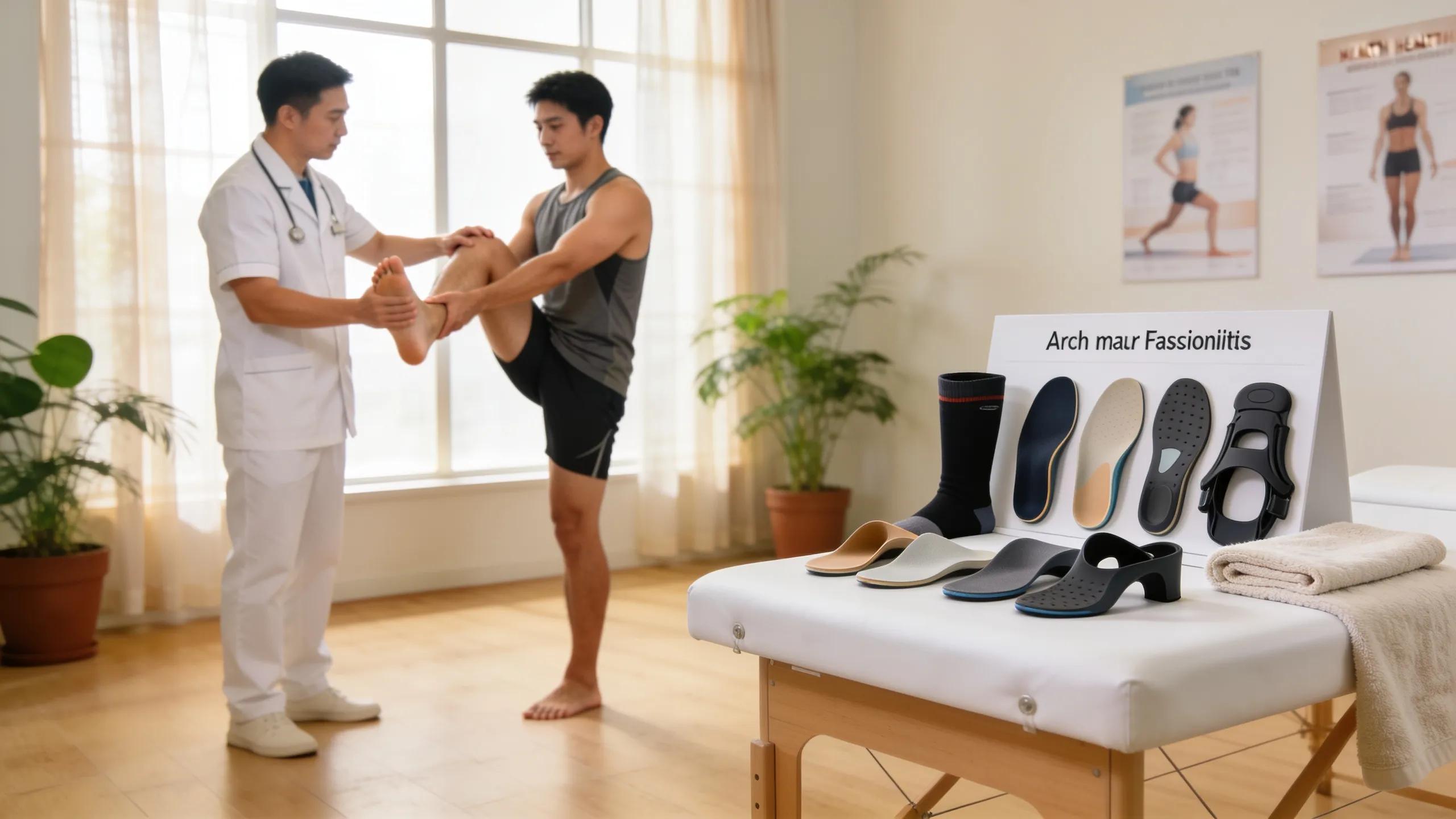
- Physical Therapy: Targeted exercises and stretches to strengthen the foot’s muscles.
- Orthotic Devices: Custom shoe inserts that provide support and improve foot alignment.
- Cold Therapy: Application of ice packs to reduce inflammation and numb pain.
- Over-the-Counter Medications: Non-steroidal anti-inflammatory drugs (NSAIDs) help alleviate pain and swelling.
At Sydney Foot Solutions, we offer comprehensive evaluations and treatments tailored for plantar fasciitis, ensuring personalized care for each patient.
How Does Laser Therapy Work to Treat Plantar Fasciitis?
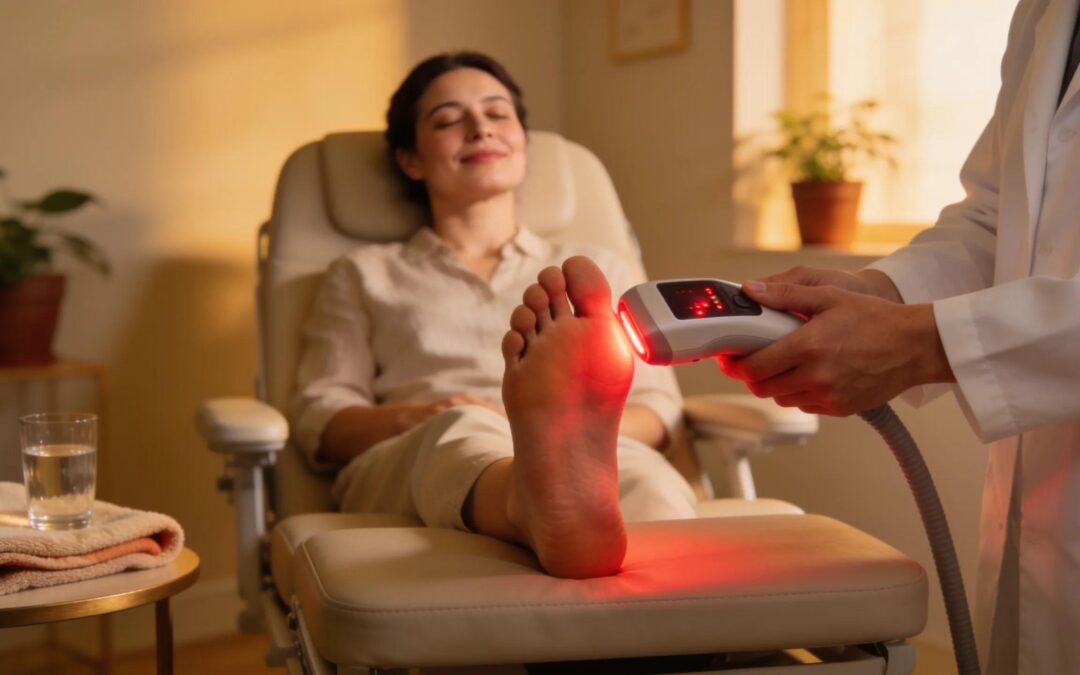
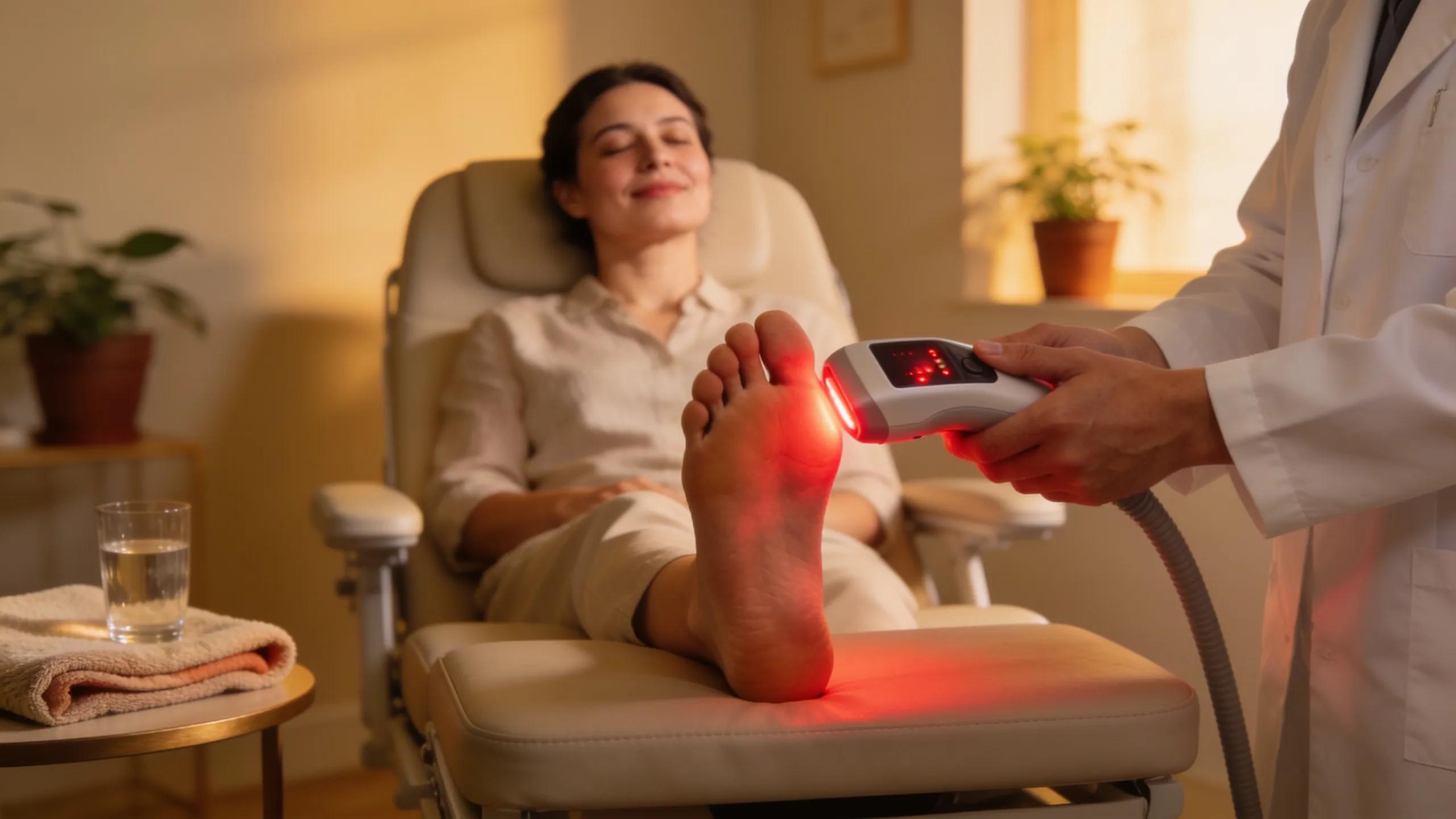
Laser therapy, particularly low-level laser therapy (LLLT), works by emitting light that penetrates the skin and promotes healing at a cellular level. This form of therapy encourages the production of ATP (adenosine triphosphate), facilitating cellular repair and regeneration. By reducing inflammation and alleviating pain, laser therapy activates the body’s natural healing processes, allowing individuals to experience symptom relief without invasive procedures.
What Are the Benefits and Risks of Cold Laser Therapy for Foot Pain?
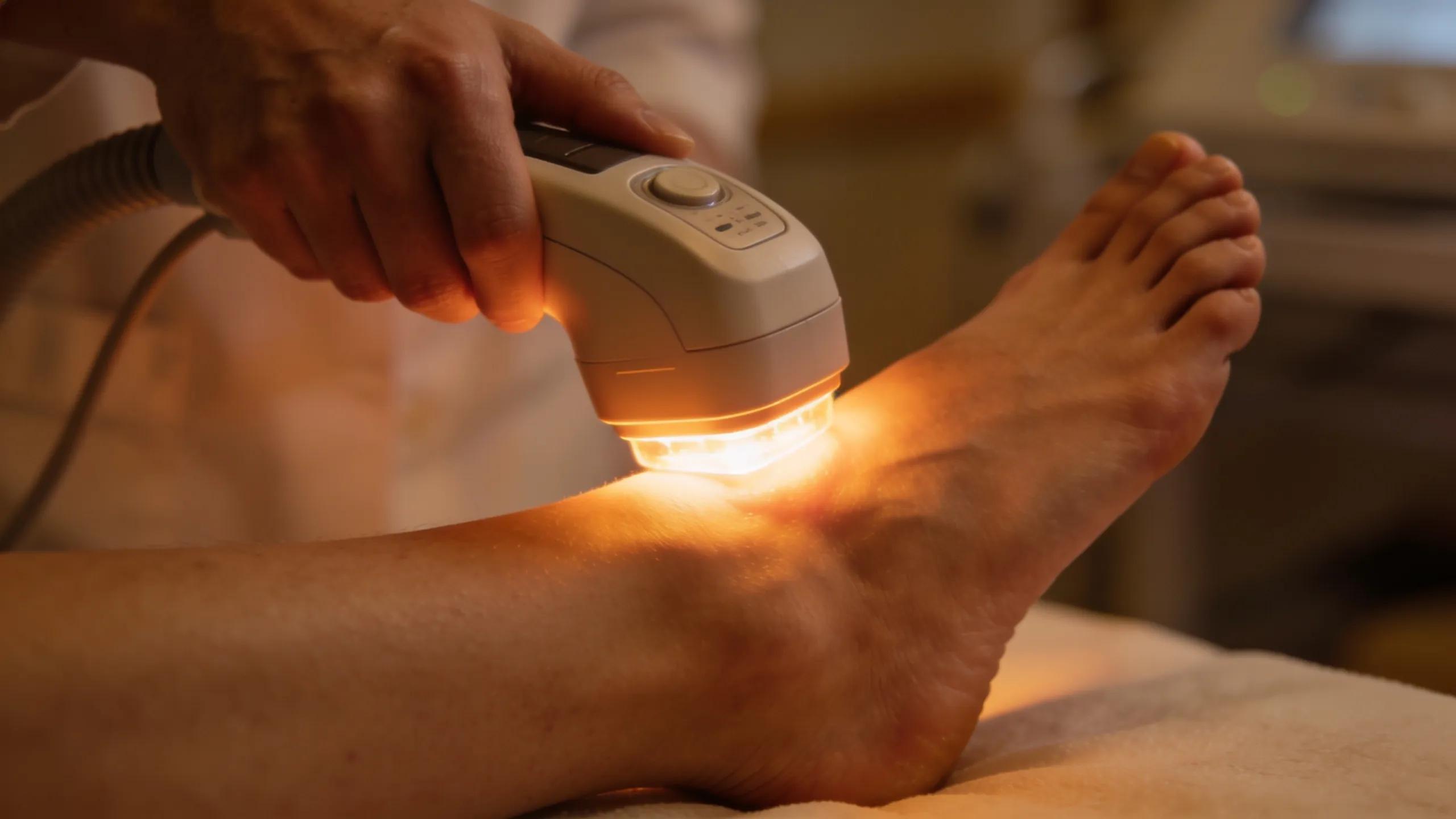
- Pain Reduction: It effectively decreases pain perception within the tissue.
- Inflammation Control: It reduces swelling and increases blood flow, which is vital for healing.
- Enhanced Healing: Promotes faster cell repair and regeneration.
While cold laser therapy is generally safe, potential risks may include temporary discomfort at the treatment site and, in rare cases, an allergic reaction to the light itself. Consult with healthcare professionals to assess individual suitability for this treatment.
How Effective Is Laser Therapy in Reducing Heel Pain?
Research indicates that laser therapy can be effective in reducing heel pain for those with plantar fasciitis. Studies show that patients may experience improvements in pain levels and functional mobility following a series of treatments. A clinical trial demonstrated that approximately 70% of participants reported significant pain reduction after just a few sessions, highlighting laser therapy as a viable option in the overall treatment strategy for plantar fasciitis.
Effectiveness of Low-Level Laser Therapy on Plantar Fasciitis Pain and Function
ere to estimate the effectiveness of LLLT in tendinopathy and plantar fasciitis on patient-reported pain and function/disability.
Efficacy of low-level laser therapy in patients with lower extremity tendinopathy or plantar fasciitis: systematic review and meta-analysis of randomised controlled trials, IF Naterstad, 2022
This effectiveness is further supported by studies investigating the potential of LLLT for managing tendinopathy and plantar fasciitis by observing patient-reported pain and functional improvements.
Are There Any Side Effects or Risks with Laser Treatment?
Cold laser treatments are regarded as safe and non-invasive, with few side effects. Commonly reported experiences post-treatment include mild redness or discomfort at the site, which typically resolves quickly. However, if any unusual symptoms arise, it is essential to consult a specialist. Compared to other invasive treatments, such as surgery, laser therapy boasts a lower risk profile and offers a quicker recovery time, making it an attractive alternative for many patients.
Low-Level Laser Therapy for Chronic Plantar Fasciitis
This study was conducted to determine the effectiveness of LLLT at 635 nm with a mean output intensity of 17.0 mW for the treatment of chronic plantar fasciitis. Low-level laser therapy at 635 nm for treatment of chronic plantar fasciitis: a placebo-controlled, randomized study, 2015
A placebo-controlled randomized study specifically examined the effectiveness of LLLT at a 635 nm wavelength for treating chronic plantar fasciitis, contributing to the understanding of its efficacy and safety.
How Does Laser Therapy Compare to Other Plantar Fasciitis Treatment Options?
Laser therapy stands out against various treatment modalities for plantar fasciitis. When compared to treatments like corticosteroid injections or surgical intervention, laser therapy primarily focuses on healing the tissue without causing harm or further inflammation. While injections may offer immediate relief, they can come with risks and may not address the underlying condition long-term. Laser therapy provides a holistic approach that encourages natural healing.
What Are the Advantages of Non-Invasive Laser Therapy Over Surgery?
- Minimal Recovery Time: Patients can usually resume normal activities shortly after treatment.
- Non-Invasive Nature: There’s no need for incisions or anesthesia, drastically reducing complication risks.
- Lower Risk of Complications: Compared to surgery, laser therapy incurs fewer long-term side effects and complications.
These factors make laser therapy a preferred choice for many individuals dealing with chronic plantar fasciitis pain.
LLLT and Usual Care for Plantar Fasciitis Functional Outcomes
The combination therapy of LLLT with usual care is more effective to improve functional outcomes and activity-related pain when compared to usual care alone.
Low-level laser therapy in the management of plantar fasciitis: a randomized controlled trial, S Saxena, 2018
Furthermore, combining LLLT with routine care has been shown to enhance functional outcomes and reduce activity-related pain more effectively than conventional care alone.
How Does Laser Therapy Differ from Shockwave and Conventional Treatments?
While both laser therapy and shockwave therapy aim to alleviate pain and promote healing, they operate through different mechanisms. Laser therapy utilizes light to stimulate cellular functions, while shockwave therapy involves sound waves to induce mechanical stress on the tissue, which can enhance recovery. Conventional methods, such as medication and rest, may not deliver the same level of targeted treatment. Each treatment should be considered based on specific patient needs and conditions.
What Should Patients Expect During Preparation and Aftercare for Laser Therapy?
Before undergoing laser therapy, patients should prepare by wearing loose clothing and discussing any medications or conditions with their practitioner. During treatment, patients can expect a painless procedure, often described as a gentle warmth. Aftercare typically involves simple guidelines, such as avoiding strenuous activity for a short period and staying hydrated. Patients may notice gradual improvements in pain and mobility over several sessions, usually within a few weeks.
At Sydney Foot Solutions, our staff is dedicated to ensuring that you understand the process and what to expect throughout your treatment journey.
How Can You Book an Expert Foot Assessment for Laser Therapy in Sydney?
Booking an expert foot assessment for laser therapy is straightforward. Interested individuals can reach out via the clinic’s contact number or email. Our experienced team at Sydney Foot Solutions is here to discuss your symptoms, evaluate your foot health, and recommend an appropriate treatment plan tailored to your needs. First-time patients benefit from a special discount on initial assessments.
Why Choose Sydney Foot Solutions for Plantar Fasciitis Laser Therapy?
Sydney Foot Solutions is well-regarded for its expertise in foot health, specializing in conditions like plantar fasciitis. With a focus on personalized care, our team utilizes the latest advancements in laser therapy to provide effective non-invasive treatment options. Our commitment to patient wellness and satisfaction ensures that you receive not only excellent care but also valuable education about maintaining your foot health.
What Are the Costs and Booking Procedures for Laser Therapy Treatment?
Our initial assessment for laser therapy is competitively priced at $40, allowing prospective patients to understand their condition clearly and receive tailored advice on treatment options. Subsequent laser therapy sessions are priced based on treatment length and specific patient needs. We emphasise transparent communication regarding costs and work with patients to navigate payment options, ensuring quality foot care is accessible to all.
Different treatment options for plantar fasciitis provide varying degrees of effectiveness and patient experiences. Understanding these approaches can help patients make informed decisions regarding their health.
This table illustrates that while various therapies exist for managing plantar fasciitis, their experiences and outcomes differ, underlining the importance of personalized treatment approaches.