Laser Treatment for Plantar Fasciitis: Effective Non Surgical Foot Pain Relief and Expert Assessment
By Daniel Fitzpatrick, Sydney Foot Solutions
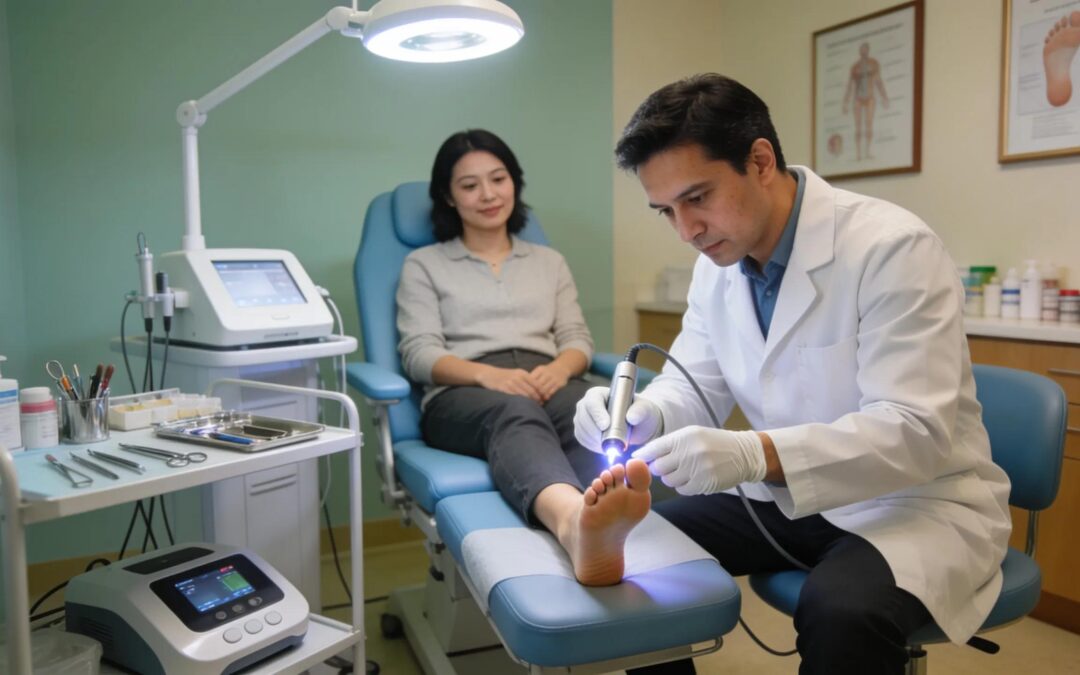
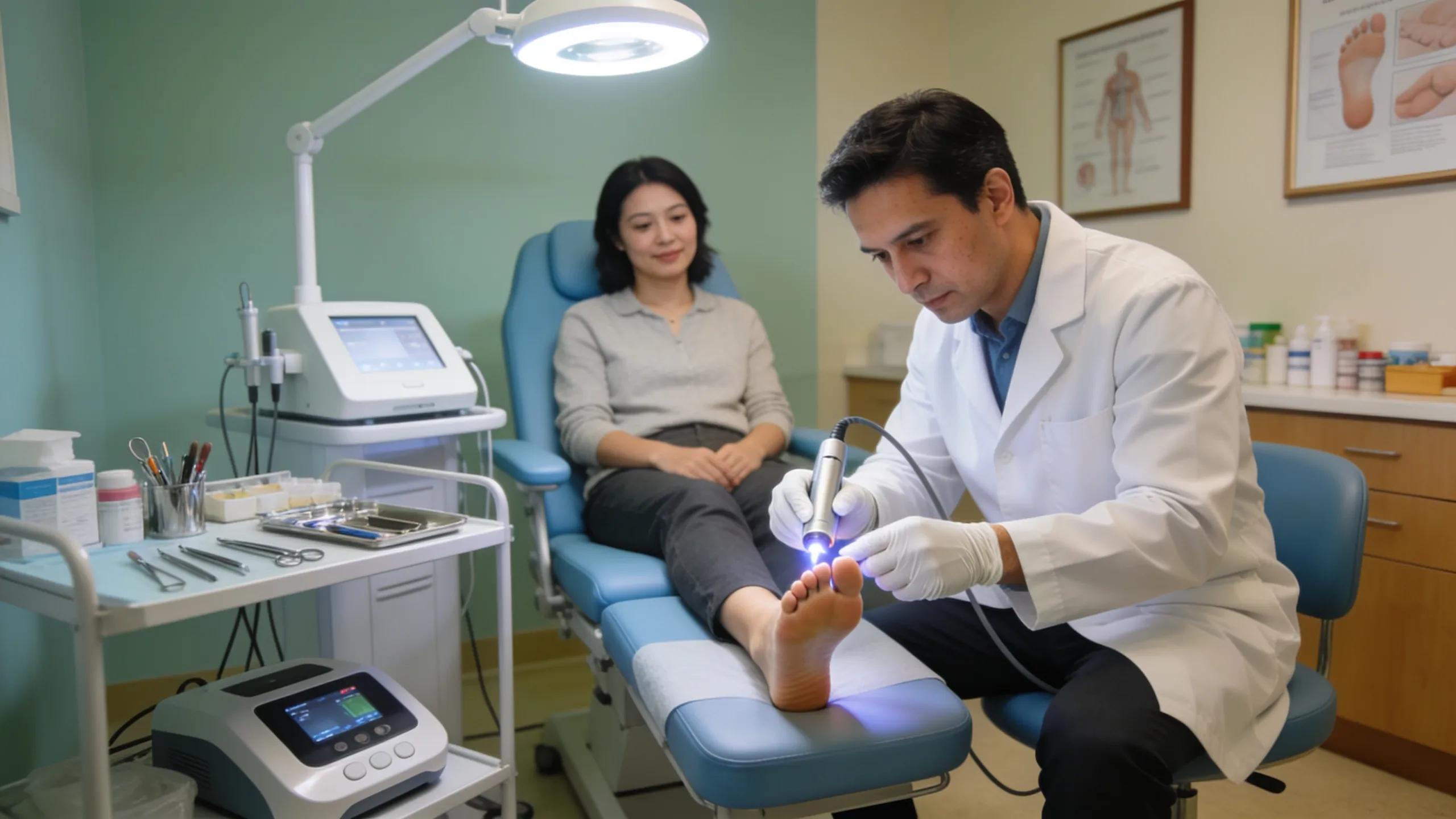
Plantar fasciitis is a common condition that causes heel pain, often affecting individuals who engage in running, standing, or activities requiring prolonged foot use. This article explores the effective laser treatment for plantar fasciitis, shedding light on its mechanisms, benefits, and assessment processes by experts. Many individuals experience debilitating pain, impacting their daily activities and quality of life. Laser therapy presents a promising non-invasive solution to alleviate pain and foster healing in the plantar fascia. This comprehensive guide will discuss the effectiveness of laser treatment, the role of expert assessment, and the overall impact on patient outcomes while highlighting opportunities for treatment at Sydney Foot Solutions.
Effectiveness of Laser Treatment
Laser treatment for plantar fasciitis employs specific wavelengths of light to reduce inflammation and promote tissue healing. This non-invasive therapy works by stimulating cellular responses that enhance blood flow and accelerate healing processes. Numerous studies support the effectiveness of laser therapy, indicating a high success rate in alleviating symptoms of plantar fasciitis. In fact, patients often report significant pain relief, with many achieving positive outcomes without the necessity for surgical intervention.
What Biological Mechanisms Does Laser Treatment Use to Reduce Inflammation?
The biological mechanisms behind laser treatment primarily involve the stimulation of the cellular functions that promote healing. Laser therapy activates inflammatory pathways that increase blood circulation, thereby providing essential nutrients to the affected area. Additionally, this treatment promotes the production of endorphins and other pain-relieving compounds that assist in managing discomfort related to plantar fasciitis.
Expert Assessment for Treatment
Before initiating laser treatment, an expert foot assessment is crucial to ensure the tailored approach fits each patient’s specific needs. Podiatrists conduct thorough evaluations that include discussing the patient’s medical history, understanding the severity of the condition, and assessing mobility and pain levels. Such a comprehensive assessment ensures that the laser therapy is effectively personalized, maximising the potential for successful treatment.
How Is the Expert Foot Assessment Conducted Before Treatment?
During the expert foot assessment at Sydney Foot Solutions, podiatrists utilize various diagnostic techniques to determine the root causes of heel pain. This may include imaging studies, physical examinations, and gait analysis. Understanding the intricacies of an individual’s foot structure helps in crafting a personalized treatment plan aimed at addressing both symptoms and underlying issues.
Impact on Patient Outcomes
Laser treatment has shown to produce positive impacts on patient outcomes, with many individuals noting a significant return to daily activities post-treatment. Typically, participants report improved mobility and reduced discomfort, contributing to enhanced overall quality of life. However, the effectiveness can vary depending on the severity of the condition, necessitating a tailored approach based on individual assessments.
In summary, laser therapy offers a promising non-invasive option for treating plantar fasciitis. By enhancing healing and reducing inflammation, this innovative approach benefits many individuals suffering from plantar fasciitis. It emphasises the importance of consulting with specialists to take advantage of such effective treatments. Sydney Foot Solutions offers professional assessment services to ensure each patient receives personalized care tailored to their unique needs.
What Is Plantar Fasciitis and How Does It Affect Foot Health?
Plantar fasciitis is characterized by inflammation of the plantar fascia, a thick band of tissue that runs along the bottom of the foot, connecting the heel bone to the toes. This condition is frequently caused by repetitive strain or overuse, leading to pain specifically located in the heel. The impact of this condition can be detrimental, as it can hinder a person’s ability to walk and engage in physical activities, ultimately affecting overall foot health and well-being.
Plantar Fasciitis Overview
Plantar fasciitis is one of the leading causes of heel pain, often resulting from activities that put excessive stress on the foot. Individuals who engage in high-impact sports, stand for prolonged periods, or possess specific foot anatomical features are particularly susceptible. The resultant inflammation from repeated stress can lead to severe discomfort, especially during the initial steps of the day.
What Are the Common Symptoms of Plantar Fascia Inflammation?
Common symptoms of plantar fasciitis include sharp pain in the heel that may be aggravated by long periods of standing or after activities that involve significant foot use. Many patients experience increased discomfort during the first steps in the morning or after sitting for an extended time. Recognising these early warnings can be instrumental in seeking timely intervention to avoid exacerbation.
How Does Plantar Fasciitis Impact Daily Movement and Activities?
Individuals with plantar fasciitis often face considerable limitations in their daily movements. Activities such as climbing stairs, participating in sports, or even standing for long periods can become challenging and painful. This can lead to a significant drop in quality of life, making it crucial to explore effective treatments like laser therapy to restore mobility and comfort.
How Does Laser Therapy Work as a Non Invasive Treatment for Plantar Fasciitis?
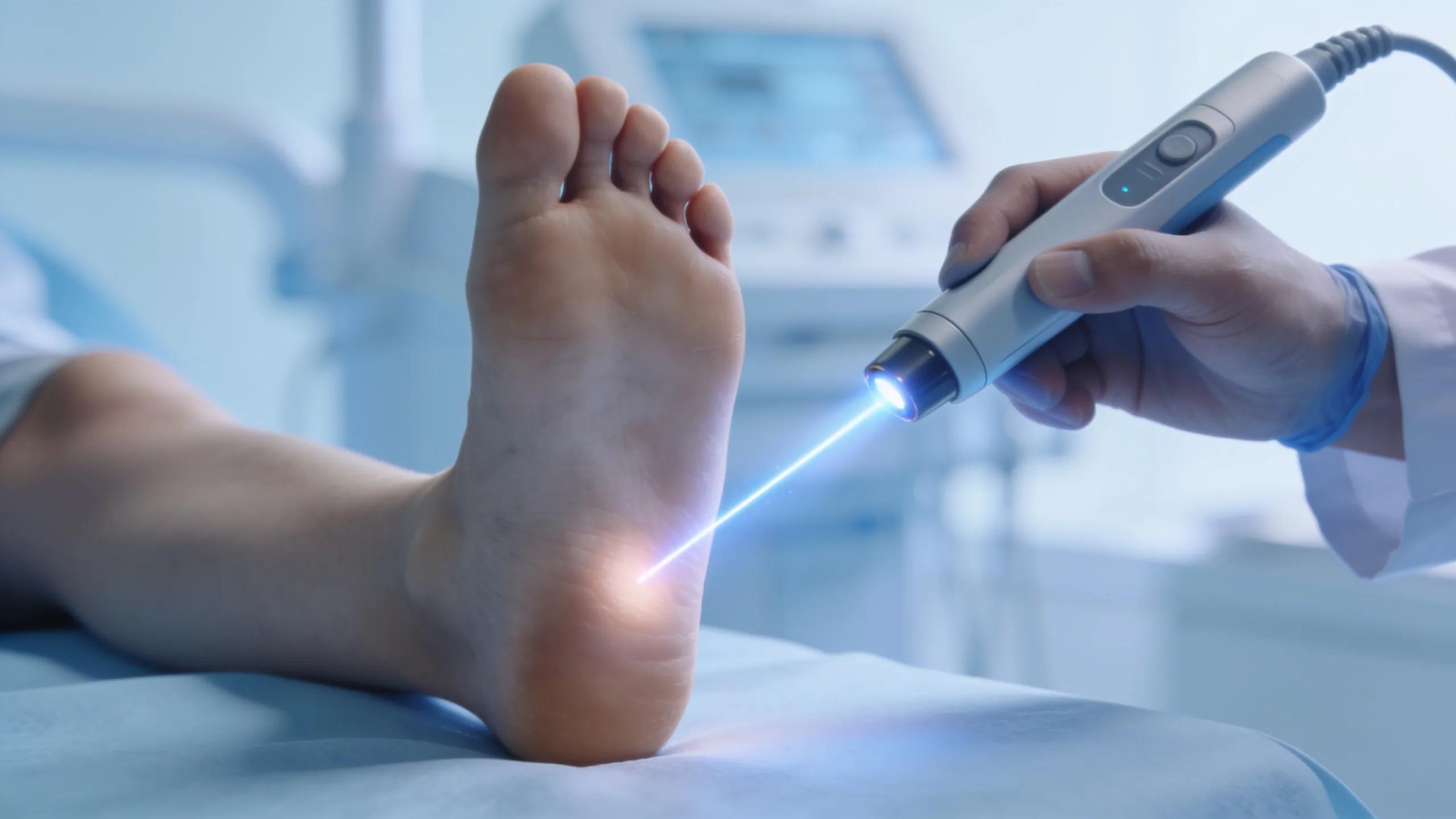
Laser therapy works by harnessing specific wavelengths of light that penetrate the skin to reach deeper tissues, activating cellular repair mechanisms. This method offers a non-invasive alternative to traditional treatments, making it particularly appealing to those seeking to avoid surgery. By reducing inflammation and promoting healing, laser treatment serves as an effective solution for managing plantar fasciitis symptoms.
What Types of Laser Devices and Wavelengths Are Used for Foot Pain Relief?
Various laser devices are utilized in laser treatment, including low-level laser therapy (LLLT) and high-intensity laser therapy (HILT), each operating at different wavelengths to target specific tissues. LLLT is often preferred for its ability to stimulate cellular processes associated with healing, while HILT addresses pain through deeper tissue penetration. Understanding the types of lasers available helps patients make informed decisions regarding their treatment options.
What Are the Benefits and Clinical Evidence Supporting Laser Therapy Compared to Surgical Options?
Laser therapy presents several advantages over traditional surgical methods, primarily its non-invasive nature, minimal side effects, and quicker recovery times. Clinical evidence indicates that patients can attain significant pain relief and improved healing rates without undergoing surgical intervention. By opting for laser therapy, patients can often avoid the complications that accompany surgery while still effectively managing their plantar fasciitis.
How Effective Is Laser Treatment for Plantar Fasciitis Based on Recent Studies?
Recent studies demonstrate the effectiveness of laser treatment in managing plantar fasciitis symptoms, with many patients reporting reduced pain scores and improved functionality following treatment. The research highlights laser therapy as a viable option that has been consistently shown to yield favourable outcomes, giving patients hope for relief without the risks associated with more invasive procedures.
Leading research, for example, highlights the positive impacts of LLLT on both pain reduction and ultrasonographic improvements in patients with plantar fasciitis.
LLLT Efficacy for Plantar Fasciitis: Ultrasonographic and Pain Score Evaluation
The aim of this study was to investigate the effect of low-level laser therapy (LLLT) on plantar fasciitis documented by the ultrasonographic appearance of the aponeurosis and by patients’ pain scores. Thirty individuals with diagnosis of unilateral plantar fasciitis were enrolled in a randomized, double-blind, placebo-controlled trial, but 25 participants completed the therapeutic protocol. Ultrasonographic evaluation of plantar fasciitis after low-level laser therapy: results of a double-blind, randomized, placebo-controlled trial, O Kiritsi, 2010
What Safety and Risk Considerations Are Associated with Laser Therapy?
While laser therapy is generally considered safe, patients should be aware of potential risks, including minor side effects such as temporary redness or sensitivity in the treated area. Consulting with healthcare providers to determine individual suitability for laser treatment is advised, particularly for those with contraindicating health conditions.
What Does the Patient Journey Look Like at Sydney Foot Solutions for Laser Therapy?
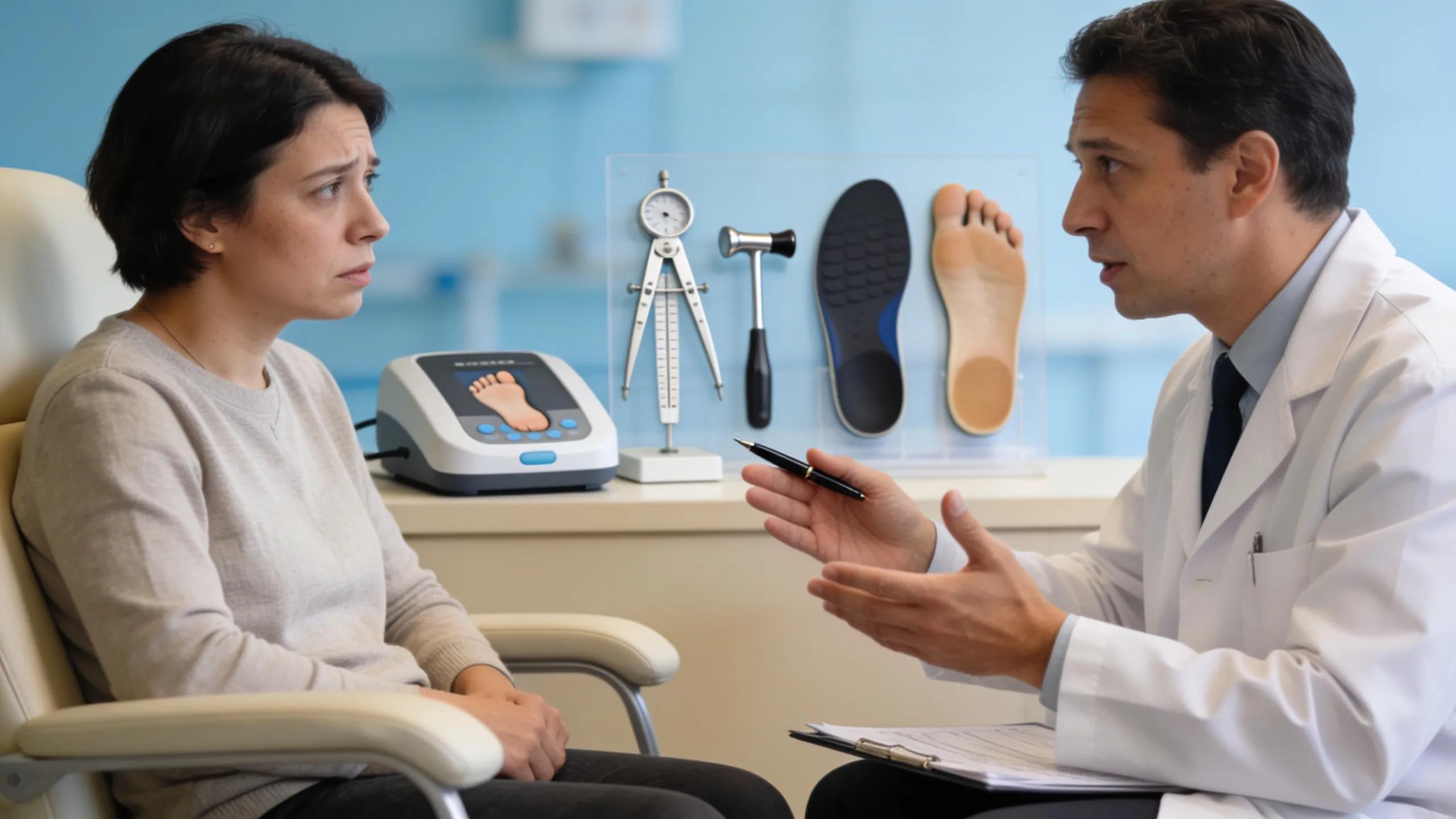
The patient journey at Sydney Foot Solutions begins with an initial assessment aimed at identifying the specific nature of heel pain. Currently, an introductory heel pain assessment is available at a 65% discount, making it $35. Subsequent treatment sessions, which generally last 15 to 30 minutes, incorporate laser therapy aimed at alleviating discomfort and promoting healing.
What Should Patients Expect During and After Laser Treatment Sessions?
Patients can expect a painless treatment experience during their laser therapy sessions, allowing for a quick resumption of normal activities afterward. Prior to each session, practitioners will discuss any concerns and outline the expected outcomes to ensure patients feel informed and comfortable throughout the treatment process.
How Does Laser Therapy Compare to Other Plantar Fasciitis Treatment Options?
When comparing laser therapy to other treatment options for plantar fasciitis, several key differences arise regarding effectiveness, recovery time, and invasiveness. Laser therapy typically requires a series of sessions for optimal results, whereas other treatment modalities may lead to longer recovery periods and greater discomfort.
What Are the Advantages of Non Surgical Heel Pain Relief Methods?
- Minimal Side Effects: The non-invasive nature significantly reduces risk of complications associated with surgical interventions.
- Quick Recovery: Patients can often return to daily activities shortly after treatment without prolonged downtime.
- Effective Pain Management: Laser therapy effectively targets inflammation and promotes healing, providing significant relief.
The advantages of laser therapy make it a compelling choice for patients hesitant about undergoing surgical procedures for chronic plantar fasciitis.
Can Laser Treatment Help Avoid Surgery for Chronic Plantar Fasciitis?
Laser treatment has emerged as a viable alternative for individuals with chronic plantar fasciitis, often helping patients to avoid surgery altogether. By effectively managing symptoms through targeted therapies, many patients report improvement and enhanced mobility that eliminates the need for more invasive treatment options.
Where Can You Learn More and Book Expert Foot Assessments for Laser Treatment?
To learn more about laser treatment for plantar fasciitis and to arrange an expert assessment, Sydney Foot Solutions is a trusted provider. By booking a consultation, patients can access professional guidance tailored to their specific needs. Expertise in podiatry ensures that individuals receive the most effective care for their foot health.
How to Schedule a Professional Podiatrist Consultation at Sydney Foot Solutions?
Scheduling a consultation at Sydney Foot Solutions is straightforward. Prospective patients can call (02) 8966 9300 to book an appointment or inquire about available services. Ensuring that patients receive this important care can greatly enhance their treatment outcomes.