
Plantar Fasciitis Pain Relief Options You Need to Know: Heel Pain Treatment and Non Surgical Therapies
By Daniel Fitzpatrick, Sydney Foot Solutions
Plantar fasciitis is a common ailment affecting numerous individuals, marked by pain and discomfort in the heel and bottom of the foot. Understanding the various treatment options available is essential for anyone suffering from this condition. This guide explores effective plantar fasciitis pain relief options, focusing particularly on non-surgical treatments, allowing readers to make informed decisions about their pain management. The insights shared here highlight both the mechanisms behind these treatments and the importance of professional evaluations in devising a personalized care plan. From Foot Mobilisation Therapy to cold laser therapy and active exercise rehab, the information provided will empower readers to take proactive steps toward alleviating heel pain. We will discuss non-surgical treatments, the need for professional assessments, and lifestyle changes that can further assist in managing symptoms.
Non-Surgical Treatments
Non-surgical treatments are vital in managing plantar fasciitis and addressing the underlying causes of heel pain. These methods typically aim to reduce inflammation, strengthen foot structures, and improve overall foot health without the need for invasive procedures. Options such as Foot Mobilisation Therapy, cold laser therapy, and active exercise rehabilitation have shown promising results in alleviating symptoms. It’s important for individuals suffering from plantar fasciitis to consult healthcare professionals for tailored recommendations that consider their specific needs.
How Does an Expert Foot Assessment Guide Tailored Plantar Fasciitis Therapy?
An expert foot assessment plays a critical role in addressing plantar fasciitis effectively. During this evaluation, experts analyze an individual’s foot structure, gait, and overall mechanics. This comprehensive approach allows them to identify specific causes of pain, leading to a tailored treatment plan. The assessment guides choices related to Foot Mobilisation Therapy, cold laser therapy, exercise regimens, and other therapeutic modalities, ensuring a targeted approach to pain relief.
What Happens During a Foot Biomechanical Evaluation for Plantar Fasciitis?
A foot biomechanical evaluation involves a detailed analysis of foot mechanics and alignment. Experts use advanced technologies to assess how weight is distributed across the foot during standing and movement. This evaluation helps pinpoint abnormalities that may contribute to plantar fasciitis, facilitating the development of an effective treatment strategy tailored to the individual.
Understanding the interplay between foot mechanics and the “windlass mechanism” is crucial for developing effective treatment plans for plantar fasciitis.
Plantar Fasciitis Treatment: A Biomechanical Approach Plantar fasciitis is a prevalent problem, with limited consensus among clinicians regarding the most effective treatment. The purpose of this literature review is to provide a systematic approach to the treatment of plantar fasciitis based on the windlass mechanism model.Plantar fasciitis and the windlass mechanism: a biomechanical link to clinical practice, 2004
Surgical Treatments
Surgical treatments are generally considered only after conservative methods have failed to provide relief. Typically, these procedures may involve releasing tension in the plantar fascia or addressing structural abnormalities in the foot. Though surgery can be effective, it is accompanied by recovery time and potential risks, which should be weighed carefully against non-invasive options.
Additional Considerations
Lifestyle changes can significantly impact the management of plantar fasciitis. Individuals are encouraged to pay attention to their footwear, opting for supportive shoes that alleviate pressure on the plantar fascia. Weight management strategies, such as maintaining a healthy body mass index, can lower stress on the feet. Additionally, proactive foot care practices, including regular stretching and strengthening exercises, can further enhance foot health and prevent recurrences of pain.
What Are the Common Symptoms and Causes of Plantar Fasciitis?
Plantar fasciitis presents a range of symptoms that are typically characterized by throbbing heel pain, especially in the morning or after prolonged periods of inactivity. The common causes of this condition include overuse, repetitive strain, and biomechanical irregularities such as flat feet or high arches. Recognizing these symptoms and understanding their origins is crucial for effective treatment and prevention.
Which Heel Pain Symptoms Indicate Plantar Fasciitis?
Common symptoms indicative of plantar fasciitis include sharp pain in the heel, stiffness in the foot, particularly in the morning, and discomfort during activities, such as walking or running. Patients often report that pain intensifies after rest or extended periods of sitting. Differentiating these symptoms from other potential causes of heel pain is essential for accurate diagnosis and treatment.
What Risk Factors Contribute to Developing Plantar Fasciitis?
Several risk factors can increase the likelihood of developing plantar fasciitis. These include age, as the condition is more common in individuals aged 40 to 60, being overweight, and engaging in high-impact sports. Foot structure, such as having flat feet or high arches, can also predispose individuals to this condition. Understanding these risk factors can guide preventive approaches.
What Non Surgical Plantar Fasciitis Treatments Provide Effective Pain Relief?
There are various non-surgical plantar fasciitis treatments available that can effectively relieve pain. Among these treatments, options include Foot Mobilisation Therapy, cold laser therapy, and active exercise rehab designed to address the underlying causes of foot pain. Consultations with foot health experts can lead to tailored therapies that fit individual needs.
How Does Foot Mobilisation Therapy Alleviate Heel Pain?
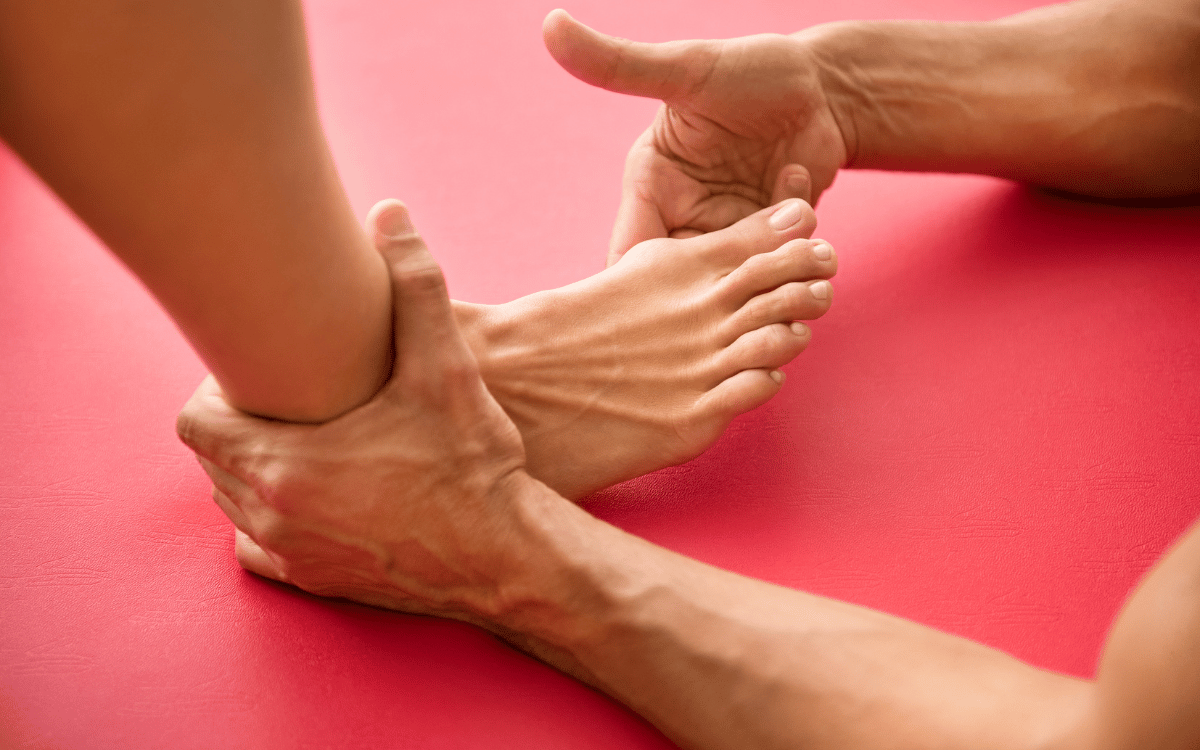
Foot Mobilisation Therapy focuses on improving foot joint mobility and addressing biomechanical dysfunctions that contribute to plantar fasciitis pain. By gently mobilising restricted joints and soft tissues, this therapy aims to restore normal foot function, reduce stress on the plantar fascia, and facilitate healing. It forms a crucial component of a comprehensive treatment strategy alongside active rehabilitation exercises and cold laser therapy.
How Does Cold Laser Therapy Support Recovery?
Cold laser therapy uses specific wavelengths of light to stimulate tissue repair, reduce inflammation, and relieve pain in the affected area. This non-invasive modality can accelerate healing and improve function when combined with manual therapies and targeted exercises, offering an effective complement to other non-surgical treatments.
Which At Home Exercises and Stretches Are Best for Foot Pain Relief?
Incorporating at-home exercises and stretches can enhance recovery from plantar fasciitis. Effective exercises include calf stretches, toe curls, and towel stretches, which focus on improving flexibility and strength in the foot and calf muscles. Active rehabilitation programs guided by an expert encourage consistent practice of these techniques to aid in reducing pain and preventing future episodes.
When Should Sydney Residents Seek Expert Care for Plantar Fasciitis Pain?
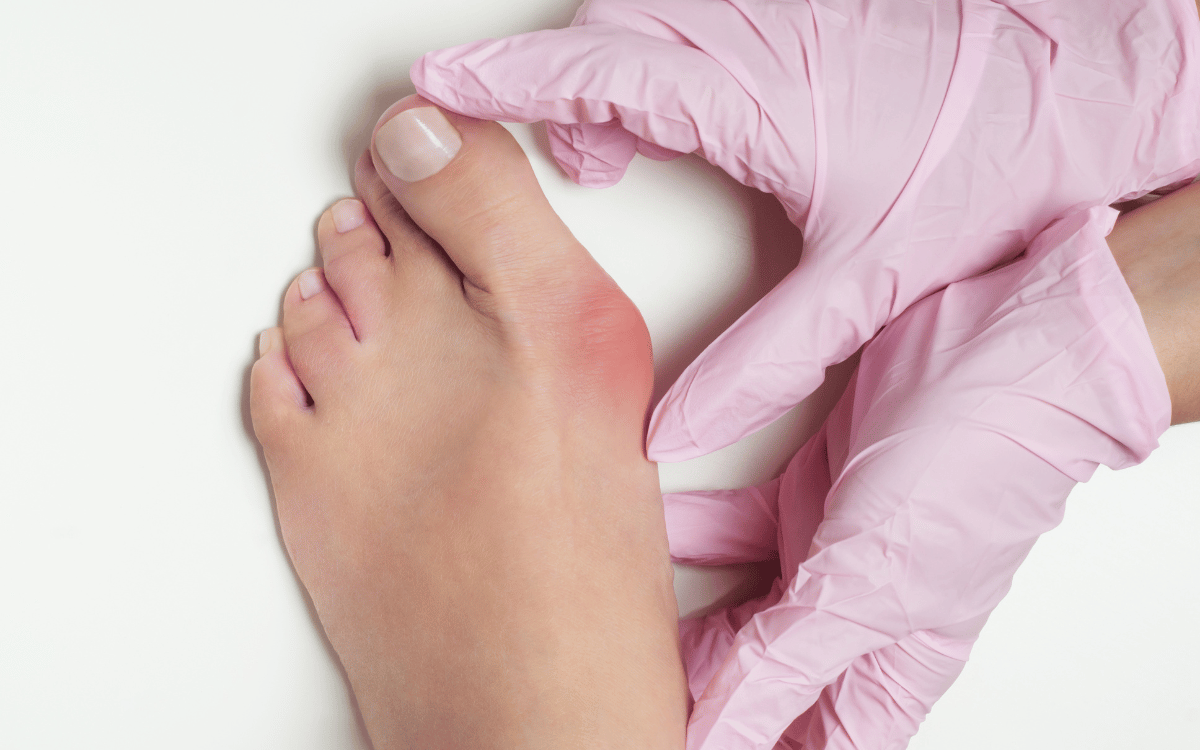
Residents of Sydney experiencing persistent heel pain should consult an expert if symptoms do not improve with basic interventions after several weeks. Signs indicating the need for professional care include severe pain that disrupts daily activities, worsening symptoms despite at-home treatments, and associated swelling or redness in the affected area. Early intervention by an expert can prevent further complications and promote efficient recovery.
What Are Signs That Surgery Might Be Needed?
While surgery is rarely the first course of action, certain signs may indicate its necessity. These include chronic pain that persists for more than six months despite comprehensive conservative treatments, significant impairment in daily functioning, and confirmed structural issues in the foot. Understanding these indicators can aid individuals in making informed decisions regarding their treatment options.
How Do Non Invasive Therapies Compare to Surgical Options?
Non-invasive therapies often present a favorable alternative to surgical options for managing plantar fasciitis. Non-surgical methods usually involve lower risks and a shorter recovery period, making them an attractive choice for many individuals. These therapies can range from Foot Mobilisation Therapy to cold laser therapy and active exercise rehabilitation, all aimed at alleviating symptoms without the need for surgery. When executed properly, non-invasive therapies can yield significant improvements, steering individuals towards better long-term foot health.
Patient Reviews
Discover why so many trust Sydney Foot Solutions for plantar fasciitis care. Over 200 5 star reviews! Visit our review page to hear from satisfied patients and learn more about their successful treatment experiences.